
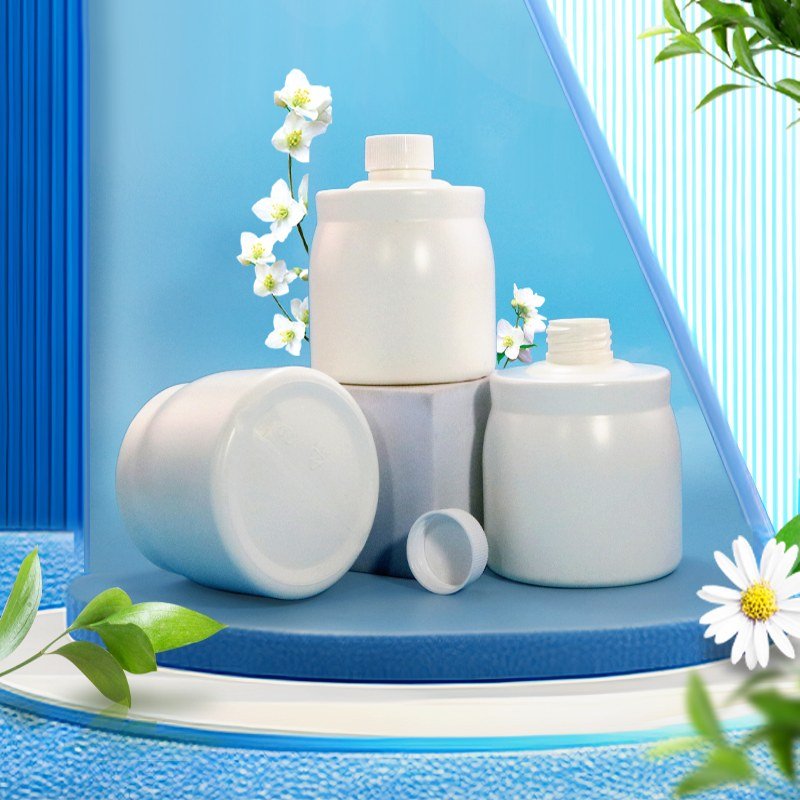
A PCR content claim states that a cosmetic bottle contains post-consumer recycled resin, and a buyer verifies it with a standard, a model and a certificate rather than a supplier's word. The two accounting models are segregated, where recycled resin stays separate from virgin, and mass balance, where recycled volume is allocated across a site, and the proof rests on EN 15343 traceability and ISO 14021 claim rules plus a chain-of-custody document that names the exact percentage.
Recycled content is now a shelf claim, a retailer requirement and often a regulation, so the number on the bottle must be defensible. A vague line like 'made with recycled plastic' invites challenge from a competitor, a regulator or a retailer audit, and the cost of a false claim is a relabel, a recall and a lost listing. The good news is that the claim can be proven cleanly with three documents most serious suppliers already hold. This guide explains the two recycled models, the standards that back a claim, and the certificate lines a buyer checks before signing the PO.
PCR claim verification at a glance
- Models: Segregated keeps recycled resin separate from virgin; mass balance allocates recycled volume across a site. Both are valid if documented.
- Standard: EN 15343 covers plastics recycling traceability and recycled content calculation in Europe; ISO 14021 covers self-declared environmental claims.
- Proof: A chain-of-custody certificate names the exact PCR percentage and the feedstock source, issued by a recognised body such as SCS or RCS.
- ShiJin: 1,000+ mold designs, MOQ 5,000 units, 15-25 day production; supplies bottles with documented PCR content on a named-percentage certificate.
Why Verify a PCR Claim?
The claim is a legal statement once it is on the pack. Regulators treat a recycled-content claim as an environmental claim, and a number you cannot support is a number you may have to pull. Retailers run audits that ask for the certificate behind the percentage, and a missing document can cost the listing even when the resin is genuine.
The claim also drives the price. PCR resin often costs more than virgin, especially food-contact-grade recycled PET, so the buyer pays for a percentage and must be able to confirm it was delivered. Our PCR vs virgin guide explains the grade and cost differences that make the verified percentage matter to the quotation.
Verification protects the brand story. A beauty brand that markets recycled content builds trust on the number, and a third-party certificate is the difference between a claim the brand owns and a claim the brand hopes is true. The document is the asset, not the bottle.
Mass Balance vs Segregated: What Is the Difference?
Segregated is the simple model. Recycled resin is kept in its own line and never mixed with virgin, so the bottle that leaves the machine is physically made from that recycled stream, and the percentage is literally true of the pellet. This is the strongest claim and the easiest to defend, but it limits the buyer to whatever the segregated line can make.
Mass balance is the flexible model. Recycled and virgin resin enter a site together, and the recycled volume is booked against output by accounting rather than by physical separation. A bottle made this way may contain mostly virgin with the recycled credit allocated to it, which is legitimate only under a certified mass-balance scheme that fixes the rules. The claim must then say 'made with recycled material under mass balance', not imply the bottle is physically recycled resin.
Pick by the brand promise. A brand that says '100 percent recycled' needs segregated; a brand that says 'contains recycled material' can use certified mass balance. Our mono-material guide pairs with this choice, because a recyclable bottle and a recycled bottle are two different claims a brand should not blur.
Which Standards Back a PCR Claim?
EN 15343 is the European standard for plastics recycling that sets the traceability and the calculation method for recycled content, so a PCR certificate built on it can show the feedstock came from real post-consumer waste and the percentage was computed the same way every time. It is the backbone document a European retailer or auditor expects.
ISO 14021 governs self-declared environmental claims, including recycled-content language, and it tells a brand what words are allowed on the pack. It is why a claim must say 'recycled content' with a number and not a vague green phrase that implies more than the certificate shows. The standard keeps the label honest and the brand out of trouble.
Pair them with a chain-of-custody scheme. Bodies such as SCS Global Services or the Recycled Claim Standard (RCS) issue certificates that track the recycled material from feedstock to finished bottle, and the certificate is what turns a resin spec into a provable claim. Our carbon guide is the parallel read for the footprint side of the same sustainability story.
What Does a Good PCR Certificate Show?
A good certificate names the exact percentage, not a range. It states '30 percent PCR' or '50 percent PCR', it names the resin type, and it names the feedstock as post-consumer rather than post-industrial, because the two are not the same claim. Post-industrial scrap is factory waste; post-consumer is what the shopper threw away and the claim usually means.
The certificate shows the issuing body and the standard. Look for the certifier name, the EN 15343 or RCS reference, the certificate number, and the validity window, because a lapsed certificate is no certificate at all. It also names the site and the material lot, so the buyer can tie the document to the shipment that arrived.
Ask for the chain-of-custody trail, not just the bottle cert. The trail links the recycled pellet supplier to the molder to the bottle, so the 30 percent you specified is the 30 percent that shipped. A supplier who hands over the full trail is one who actually controls the recycled stream; a supplier with only a one-line letter is a risk.
How to Write a PCR Claim into the Spec
Five lines lock the claim. First, state the model: segregated or certified mass balance, because the wording on the pack depends on it. Second, name the exact percentage, such as 30 percent or 50 percent PCR, with post-consumer stated explicitly.
Third, require the certificate: EN 15343 or RCS backed, with the certifier, the number and the validity window. Fourth, require the chain-of-custody trail that ties the recycled lot to the shipped bottle. Fifth, fix the on-pack wording to match the model, so a mass-balance bottle never wears a '100 percent recycled' label.
At ShiJin we run 1,000+ mold designs, MOQ 5,000 units and 15-25 day production, and we supply bottles with documented PCR content on a named-percentage certificate built on EN 15343 traceability, with the chain-of-custody trail from recycled pellet to finished bottle so the claim you print is the claim we can prove. Our glass vs plastic guide helps if the line also weighs a non-plastic option.
Frequently Asked Questions
What is PCR content in a cosmetic bottle?
PCR means post-consumer recycled resin, plastic recovered from consumer waste and reprocessed into bottle-grade pellet, as distinct from post-industrial scrap. A PCR content claim states the percentage of that recycled resin in the bottle, and a serious claim names the exact percentage and the feedstock as post-consumer, not just 'recycled'.
Mass balance or segregated recycled content?
Segregated keeps recycled resin in its own line so the bottle is physically made from it, the strongest and easiest claim to defend. Mass balance allocates recycled volume across a site by certified accounting, valid only under a scheme that fixes the rules, and the pack must then say 'under mass balance' rather than imply the bottle is physically recycled resin.
Which standard supports a PCR claim?
EN 15343 sets the European traceability and calculation method for recycled plastic content, and ISO 14021 governs the self-declared environmental claim language on the pack. A chain-of-custody certificate from a body such as SCS or RCS ties the percentage to the shipped bottle and is the proof an auditor expects.
How do I verify a supplier's PCR claim?
Ask for the certificate that names the exact percentage, the resin type, post-consumer feedstock, the certifier, the standard reference, the certificate number and the validity window, plus the chain-of-custody trail from recycled pellet to finished bottle. A one-line letter is not proof; the full trail is what ties the claim to the shipment.
What PCR content can ShiJin supply?
ShiJin runs 1,000+ mold designs, MOQ 5,000 units and 15-25 day production, and supplies bottles with documented PCR content on a named-percentage certificate built on EN 15343 traceability, with the chain-of-custody trail from recycled pellet to finished bottle so the on-pack claim matches the material that shipped.
Matching bottle options for this topic
Real molds from our library in a comparable material and size class — each product page carries the full spec sheet, neck size, MOQ and lead time.
- PET Cosmetic Bottle 120ml — SKU SJT0539-120
- PET Cosmetic Bottle 280ml — SKU SJT0351-280
- PET Cosmetic Bottle 500ml — SKU SJT0465-500
- PET Cosmetic Bottle 1000ml — SKU SJT0061-1000
Put a claim on the bottle you can prove
Tell us the PCR percentage and the model you want, segregated or certified mass balance. We run 1,000+ mold designs, MOQ 5,000 units and 15-25 day production, and supply bottles with documented recycled content on a named-percentage certificate built on EN 15343 traceability, with the chain-of-custody trail from recycled pellet to finished bottle so the claim you print is the claim we can prove.
Browse Mold Library Request a Quote