
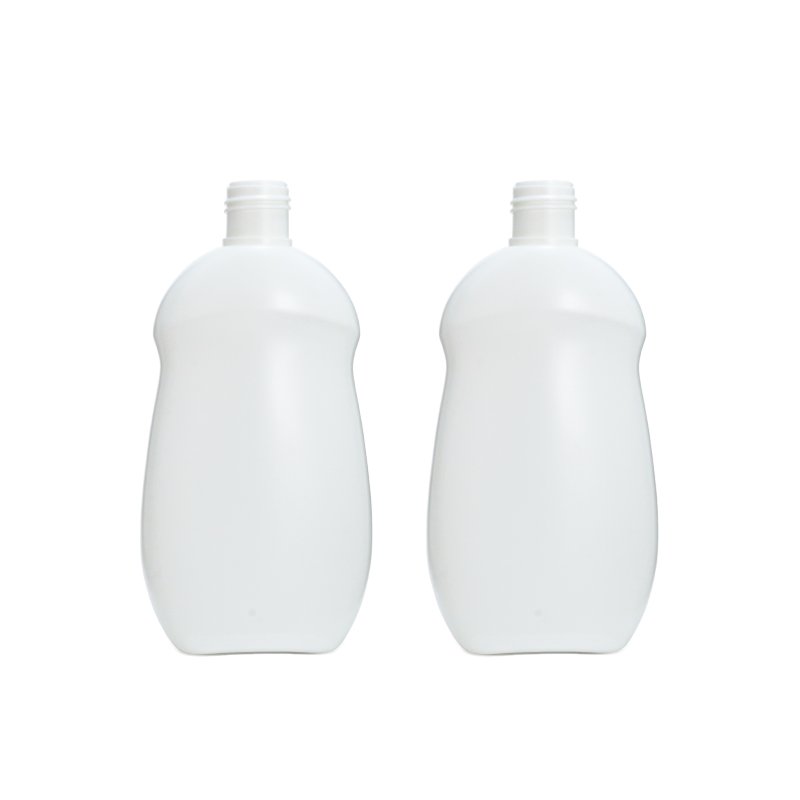
Transit climate is a real failure mode for cosmetic bottles. Ocean containers reach 60 plus degrees Celsius and 90 percent humidity. That heat, moisture and the cold of air freight can warp soft resin, fog clear walls, and grow mould inside the carton. Protect the pack with the right wrap, desiccant and routing, or the goods arrive unsellable.
Most cosmetic packaging fails in transit, not in production. A PET bottle moulded at 70 degrees Celsius will not melt in a container, but it can soften, deform under stack load, and pick up permanent haze from condensation. HDPE handles heat better but absorbs moisture that later blooms to the surface. PETG stays clear and tough, yet its low heat-deflection point makes it the most stack-sensitive of the three. This guide explains what freight climate does to each resin, where the damage shows up, and how to specify protection on a purchase order.
Transit climate at a glance
- Ocean container peak: Interior temperatures reach 60-70 deg C at tropical ports; relative humidity climbs above 90 percent in unvented boxes.
- Container rain: Moist air condenses on cold steel walls and drips onto cartons. A 20ft box can shed several litres of water over a voyage.
- Resin heat limits: PET softens near 70 deg C; HDPE melts near 130 deg C; PETG deflects under load above 60 deg C. Stack load matters as much as air temperature.
- Cold risk: Air-freight holds reach -20 deg C on long routes. Bottles survive, but condensing humidity forms when they move to a warm, humid dock.
- Lead time reality: Production runs 15-25 days; ocean freight adds 25-40 days; air freight adds 3-7 days plus strict DG and battery rules for some formulas.
- ShiJin: 1,000+ open molds in PET, HDPE and PETG; MOQ 5,000 units. We palletise, wrap and desiccant-pack to your route and climate.
Why Transit Climate Damages Bottles
A bottle is stable on the shelf because the shelf is dry and cool. A container is neither. The box sits in a steel can exposed to sun, salt air and day-night swings of 30 degrees or more. The resin, the label, the liner and the carton all respond to that swing at different rates.
The first damage is mechanical. Heat softens the bottle wall. Stack load from pallets above then squeezes the bottle out of round. The change is permanent, and it shows as a flat spot or a bulged shoulder that fails the line filler.
The second damage is chemical and visual. Moisture enters the carton, condenses on the cold wall, and drips onto the bottle. It fogs clear PETG, lifts paper labels, and feeds mould on the closure liner. Our carton and shipping cost guide covers the box specs that decide how much of this reaches the bottle.
What Heat Does to PET, HDPE and PETG
PET is clear, stiff and a good oxygen barrier, but its glass-transition point sits near 70 degrees Celsius. Above that, the wall loses stiffness and creeps under load. A PET bottle that passes QC at the factory can deform in a hot container if palletised above its rated stack height.
HDPE melts near 130 degrees Celsius, so it survives heat better than PET. Its weakness is moisture. HDPE is a polyolefin that takes in water vapour, then blooms a chalky film to the surface as the box cools. The film is cosmetic, but it reads as contamination to a buyer.
PETG stays clear and impact-tough, which makes it the premium skincare choice. Its trade-off is the lowest heat-deflection point of the three. PETG bottles must ship lower in the stack and never near the container wall. Our glass versus plastic guide compares the resins on barrier and temperature tolerance.
Humidity, Container Rain and Condensation
Ocean containers breathe. Warm moist air enters through vents and seams. When the steel wall cools at night, that moisture condenses and runs down the sides. The industry calls it container rain, and a single 20-foot box can release litres of water over a long voyage.
The water lands on cartons stacked against the wall. The carton wicks it to the bottle. Clear PETG fogs. Paper labels curl and release. Liner foams swell. None of this shows at packing; it shows at the receiving dock weeks later.
The fix is to keep the bottle's micro-climate dry, not to fight the whole container. A pallet bag, a tight PE stretch wrap, and a desiccant inside the carton hold the moisture away from the pack. Our leak test guide explains why a wet liner fails the seal.
Cold-Chain and Freezing Risks
Air freight looks safer than ocean, but the hold drops to -20 degrees Celsius on long routes. The bottle survives the cold. The risk appears at the hand-off, when a frozen carton moves into a warm, humid dock and sweats instantly.
The sweat forms on the outside of the bottle and the carton. It lifts labels and feeds mould in the same way container rain does. The cure is the same: wrap the carton so the cold pack warms slowly inside a dry barrier, and let it equalise before opening.
Some serums need a true cold chain, but the bottle rarely does. The formula may need 2-8 degrees Celsius; the empty bottle only needs to avoid the thermal shock at the dock. Specify the bottle pack for the route, and the formula pack for the product, as two separate requirements.
How to Protect Bottles in Transit
Start with the pallet. Keep bottles away from the container wall and limit stack height to the resin's rated load. PETG goes low; HDPE can go higher; PET sits in the middle. Use interleaf and corner board so the load cannot shift and pinch the bottles.
Next, seal the carton's climate. A 50-80 micron PE stretch wrap with a tight overlap blocks most moisture. For long tropical routes, add a pallet bag or a desiccant pouch of 50-100 grams per carton, sized to the void volume. Humidity indicator cards let the receiver confirm the pack stayed dry.
Finally, choose the route to the risk. Ocean is cheap but slow and hot; air is fast but cold and strict. For most empty bottles, a vented container with good wrap beats a sealed one, because ventilation reduces the day-night condensation swing. Our importing from China guide walks through the route choices.
How to Specify Transit Protection on a PO
A good purchase order states the resin, the route, and the climate target, not just the unit price. For a PETG 200ml serum bottle shipped by ocean to South East Asia, the line might read: 'PETG, 200ml, 24/410, palletised max 4 high, PE wrap 60 micron, desiccant 100g per carton, humidity card inside, vented 20ft container'.
Also set acceptance at the dock. Require cartons dry on arrival, labels flat, bottles round, and no mould on liner or closure. Photograph the first opened pallet as proof, and hold the supplier to it under the incoterm you chose. Our Incoterms guide explains who owns the goods at each hand-off.
At ShiJin we palletise, wrap and desiccant-pack to your route from our 1,000+ open mold library, with MOQ from 5,000 units and 15-25 day lead times. Send us the destination port and the season of shipment, and we will set the wrap, desiccant and stack height so the bottles arrive as clean as they left the line.
Frequently Asked Questions
What temperature do ocean freight containers reach?
Interior temperatures in a sun-exposed container reach 60 to 70 degrees Celsius at tropical ports, with relative humidity above 90 percent in unvented boxes. The bottle wall softens long before the resin melts.
What is container rain and how does it harm bottles?
Container rain is condensation that forms on the cold steel wall of a container at night and drips onto cartons. It fogs clear PETG, lifts paper labels, and feeds mould on closures and liners over a long voyage.
Does air freight avoid transit climate damage?
No. Air holds drop to -20 degrees Celsius, and the damage appears when a frozen carton hits a warm humid dock and sweats. Wrap the carton so the pack warms slowly inside a dry barrier before opening.
Which resin is most sensitive to transit heat?
PETG has the lowest heat-deflection point of PET, HDPE and PETG, so it deforms under stack load above about 60 degrees Celsius. Ship PETG low in the stack and never against the container wall.
How do I protect bottles from humidity in transit?
Use a 50 to 80 micron PE stretch wrap with tight overlap, add a pallet bag or 50 to 100 gram desiccant pouch per carton for long tropical routes, and include humidity indicator cards to confirm the pack stayed dry.
Matching bottle options for this topic
Real molds from our library in a comparable material and size class — each product page carries the full spec sheet, neck size, MOQ and lead time.
- PE Cosmetic Bottle 120ml — SKU SJE1797-120
- PE Cosmetic Bottle 300ml — SKU SJE0165-300
- PET Cosmetic Bottle 468ml — SKU SJT0203-468
- PET Cosmetic Bottle 1000ml — SKU SJT0241-1000
Need transit-proof packaging for your route?
Send us the destination port, the season of shipment and your resin choice. We will set pallet height, PE wrap, desiccant and stack rules from our 1,000+ open mold library, with MOQ from 5,000 units and 15-25 day lead times, so the bottles arrive as clean as they left the line.
Browse Mold Library Request a Quote