
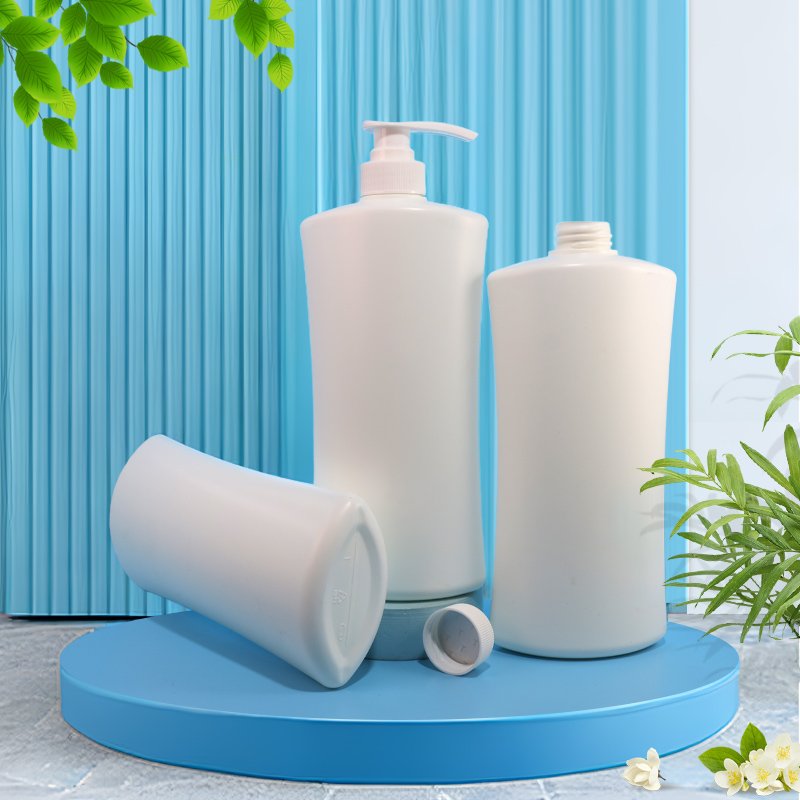
Empty plastic cosmetic bottles are normally classified under HS heading 3923.30, which covers carboys, bottles, flasks and similar articles for the conveyance or packing of goods. Plastic caps, lids and closures fall under a different subheading, 3923.50. The first six digits are the same worldwide; your destination country adds two to four more digits that set the actual duty rate. Confirm the final code with your customs broker before the goods ship.
Importers spend weeks negotiating unit price and then lose the saving to a misclassified customs entry. A wrong HS code can mean an overpaid duty, a delayed release, or a retroactive assessment months after delivery. The classification logic for cosmetic packaging is not complicated once you see it, but it does have traps: caps are coded separately from bottles, capacity changes the European subheading, and the value customs taxes depends on your Incoterm. This guide walks through the codes, the duty layers and the documents.
Classification at a glance
- Bottles and jars: HS 3923.30 - carboys, bottles, flasks and similar articles of plastics for packing goods.
- Caps and closures: HS 3923.50 - stoppers, lids, caps and other closures of plastics, a separate subheading.
- Global vs local: the first 6 digits are the WCO Harmonized System; countries add 2-4 digits that set the duty rate.
- ShiJin: 1,000+ open molds, MOQ 5,000 units, 15-25 day production, full export document set prepared per shipment.
What Is an HS Code and Who Sets It?
The Harmonized System is a global product nomenclature maintained by the World Customs Organization. It gives every traded good a numeric code so that customs authorities in different countries describe the same product the same way. More than 200 countries and territories use it as the base of their tariff schedules.
The structure matters when you read a quotation. The first two digits are the chapter, the next two the heading, and digits five and six the international subheading. Those six digits are harmonised worldwide. Everything after that is national: the United States extends to ten digits in the HTS, and the European Union uses an eight-digit Combined Nomenclature code for imports.
This is why a supplier in China and a broker in Germany can quote what looks like different codes for the same bottle. They usually agree on the first six digits and diverge after that, because each side is reading its own national extension. Always match on the six-digit root first, then let the importer of record confirm the national digits.
Which HS Code Covers Cosmetic Bottles?
Empty plastic bottles, flasks and similar containers used to convey or pack goods sit in heading 3923, which covers articles for the conveyance or packing of goods, of plastics. Within that heading, subheading 3923.30 is the one for carboys, bottles, flasks and similar articles. A PET lotion bottle, an HDPE shampoo bottle and a PETG serum bottle all normally land here regardless of resin.
Closures are the trap. Plastic stoppers, lids, caps and other closures are classified under subheading 3923.50, not with the bottle. If you buy bottles and pumps on the same invoice, they may need two lines with two codes and potentially two duty rates. Pumps and sprayers with mechanical parts sometimes attract a different classification altogether, which is a question for your broker rather than an assumption.
Capacity can also split the code. In the European Combined Nomenclature, 3923 30 10 applies to containers with a capacity not exceeding two litres and 3923 30 90 to larger ones, so a 1,000 ml pump bottle and a 5 litre refill drum are not the same line. When you plan an order across many sizes, group the SKUs by code early. Our guide to importing from China covers the wider process this classification sits inside.
How Much Import Duty Should You Expect?
Duty rates are set nationally, so there is no single global answer. As a reference point, the United States general rate for plastic bottles under HTS 3923.30.0090 has long been 3 percent ad valorem, while the European Union third-country rate for CN 3923 30 10 is commonly 6.5 percent. Both figures change by policy and by trade programme, so treat them as an order of magnitude and confirm the current line before you commit.
Then check for extra layers on top of the base rate. Many countries apply additional or remedial tariffs by country of origin, and goods of Chinese origin entering the United States have been subject to additional duties on top of the general rate for several years. Antidumping measures, safeguard duties and preferential rates under a free trade agreement can all move the number in either direction.
Duty is only one part of landed cost. Import VAT or GST is usually charged on the duty-paid value, and you will also pay freight, customs brokerage, terminal handling and inland delivery. In our experience the carton and pallet plan can move landed cost more than the duty rate does, which is the point of the carton and shipping cost guide.
What Value Does Customs Actually Tax?
Duty is calculated on the customs value, and that value is not always the invoice total. Most systems start from the transaction value, the price actually paid or payable for the goods, then adjust it according to national rules. Two importers paying the same unit price can therefore declare different dutiable values.
The main difference is whether freight and insurance are included. The European Union values imports on a CIF basis, so ocean freight and insurance to the EU border form part of the dutiable value. The United States generally assesses duty on the FOB transaction value, excluding international freight. On a low-value, high-volume product such as empty bottles, where freight can rival the goods value, this distinction is significant.
Your Incoterm decides who handles the entry, not what the duty rate is. Under FOB you take over at the origin port and act as importer of record; under DDP the supplier arranges clearance and duty is embedded in the price you were quoted. Neither term changes the classification, so ask for the code and the declared value in writing either way, especially before a first order where you have no history to compare against.
Which Documents Does Customs Need?
A clean entry for empty cosmetic packaging usually rests on a short, consistent document set.
- Commercial invoice. Item description, HS code, quantity, unit price, total value, currency, Incoterm and country of origin.
- Packing list. Carton count, carton dimensions, net and gross weight, and how the SKUs are distributed across cartons.
- Bill of lading or air waybill. The transport contract and title document that releases the cargo.
- Certificate of origin. Required for preferential rates and often requested even where no preference applies.
- Product declarations where applicable. Food-contact or safety statements if the packaging will hold a regulated product category.
Consistency matters more than volume of paperwork. The description, code, quantity and value must match across all documents, because a mismatch between invoice and packing list is one of the most common reasons a shipment is held for query. Origin marking on the cartons should also agree with the declared origin.
At ShiJin we prepare the export document set for every shipment, declare the classification we use, and provide carton and weight data that matches the packing list line by line. With 1,000+ open molds, MOQ from 5,000 units and 15-25 day production, we can also group your SKUs by tariff line before the invoice is issued so your broker has one clean entry to file. Compliance requirements beyond classification are covered in our export compliance guide.
Frequently Asked Questions
What is the HS code for plastic cosmetic bottles?
Empty plastic cosmetic bottles normally classify under HS subheading 3923.30, which covers carboys, bottles, flasks and similar articles of plastics used to convey or pack goods. This applies across PET, HDPE and PETG. The first six digits are the same worldwide, and your destination country adds further digits that set the duty rate.
Are caps and pumps classified with the bottle?
No. Plastic stoppers, lids, caps and other closures are classified under subheading 3923.50, separate from the bottle. Pumps and sprayers with mechanical components can fall under a different classification again. If bottles and closures are on the same invoice, they may require separate lines and separate duty rates.
How much duty will I pay to import cosmetic bottles?
It depends on your country. As a reference, the United States general rate for HTS 3923.30.0090 has long been 3 percent ad valorem and the EU third-country rate for CN 3923 30 10 is commonly 6.5 percent. Additional origin-based tariffs, VAT or GST and brokerage charges apply on top, so confirm the current line with your broker.
Does freight get included in the dutiable value?
It depends on the valuation basis. The European Union values imports on a CIF basis, so freight and insurance to the EU border are part of the dutiable value. The United States generally assesses duty on the FOB transaction value, excluding international freight. For empty bottles, where freight can rival goods value, this materially changes duty.
Who is responsible for the correct HS code?
The importer of record is legally responsible for the declared classification in most jurisdictions, even when the supplier suggests the code. Ask your supplier for the code they use and the declared value, then have your customs broker confirm the national digits before shipment rather than after arrival.
Matching bottle options for this topic
Real molds from our library in a comparable material and size class — each product page carries the full spec sheet, neck size, MOQ and lead time.
- PE Cosmetic Bottle 180ml — SKU SJE0143-180
- PET Cosmetic Bottle 300ml — SKU SJT0515-300
- PE Cosmetic Bottle 500ml — SKU SJE1889-500
- PET Cosmetic Bottle 1000ml — SKU SJT0124-1000
Want the tariff line confirmed before you order?
Tell us the destination market and the SKUs you are considering. We will provide the classification we declare, carton and weight data that matches your packing list, and pricing across 1,000+ open molds at MOQ from 5,000 units so your broker can quote landed cost accurately.
Browse Mold Library Request a Quote