Manufacturing, Quality & Compliance

How Cosmetic Bottles Are Made, Tested & Cleared for Export

Blow molding and injection molding, wall-thickness and cavitation tolerances, QC inspection, drop/ISTA testing, resin-price indexing, capacity tolerance, child-resistant and tamper-evident closures, HS codes and export compliance — the production backbone explained.

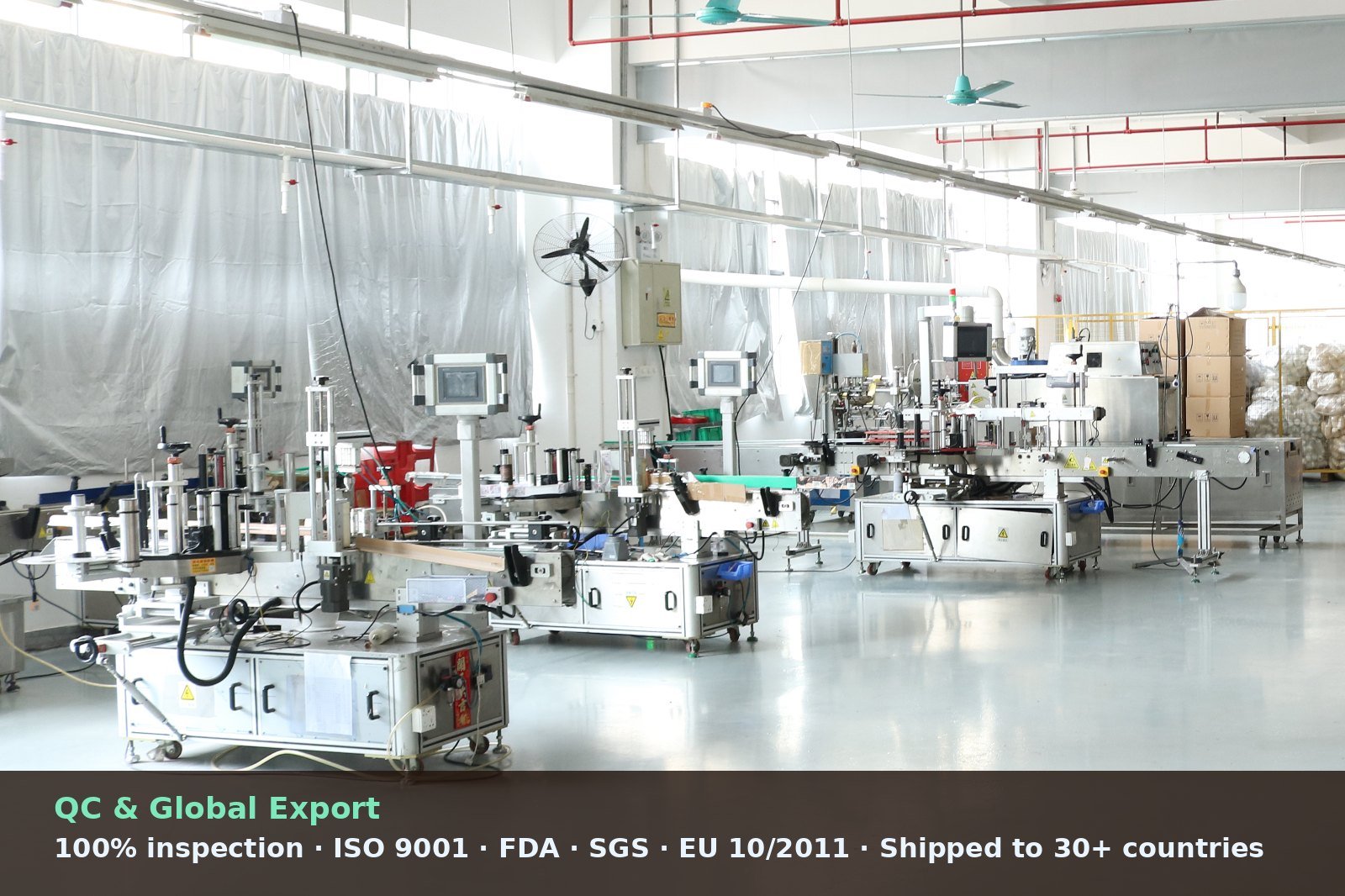
QC quality inspection
Quality inspection at ShiJin Packaging
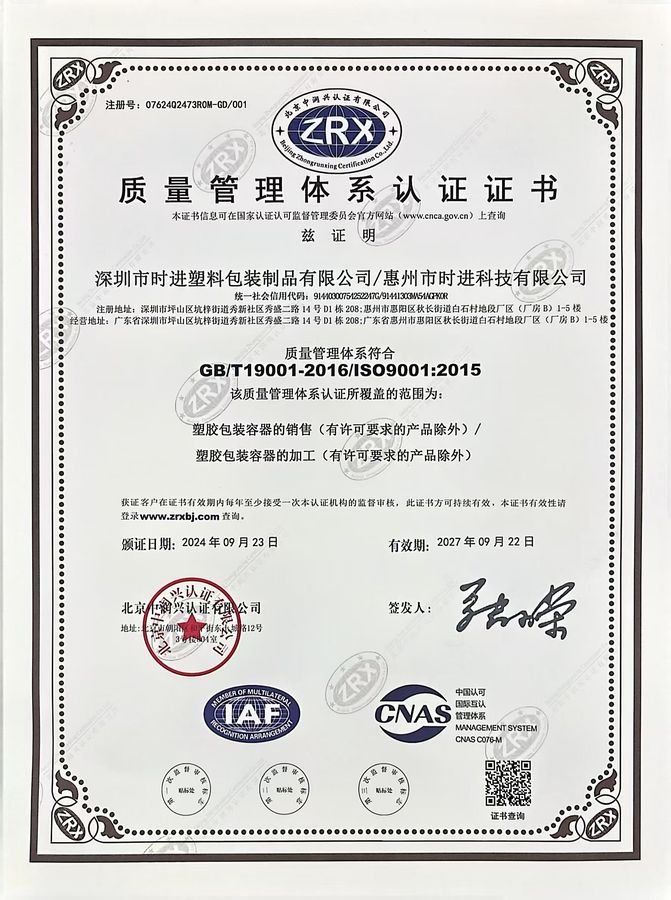
ISO 9001 certificate
ISO 9001 certified quality system

For regulated markets, confirm food-contact compliance, child-resistant/tamper-evident needs and HS codes early — they shape both design and documentation.

From resin pellet to export-ready bottle

Understanding how bottles are manufactured and validated helps you ask the right supplier questions and avoid costly quality surprises. This hub gathers our guides on process, tolerances, testing and the compliance paperwork behind every shipment.

Guides in this hub

Curated, in-depth guides written for buyers and brand owners. Each opens in its own page.

ARTICLE 01 Inside a Modern Blow Molding Plant: How Your Cosmetic Bottle Is Made

From PET preform injection to stretch-blow and extrusion-blow molding, in-line QC and decoration: how a 15,000sqm plant produces 500K bottles per day.

ARTICLE 02 Injection Mold Cavitation and Tolerance: What 2-16 Cavities Mean for Your Order

Injection mold cavitation and tolerance for cosmetic bottles: how 2-16 cavities affect cost and consistency, and the tolerance lines to put on the spec.

ARTICLE 03 Understanding Wall Thickness in Blow Molding: A Buyer's Guide

Wall thickness in blow molding explained: typical ranges, how it drives weight, cost and squeeze feel, and what to specify when you order bottles.

ARTICLE 04 Bottle Capacity Tolerance: Brimful vs Fill Volume and How to Set Your Fill Line

Bottle capacity tolerance is not one number. Learn brimful vs fill volume, typical mould tolerances, and how to set a safe cosmetic fill line.

ARTICLE 05 Quality Control in Cosmetic Packaging: What to Inspect Before Shipment

A pre-shipment QC checklist for cosmetic bottles: AQL sampling, dimensional checks, leak, drop and torque tests, and the defects that actually matter.

ARTICLE 06 Drop Test and ISTA Packaging Validation for Cosmetic Bottles: How to Ship Without Breakage

ISTA 3A drop tests prove your carton, not just your bottle, survives transit. Learn drop heights by weight and how to validate cosmetic packaging.

ARTICLE 07 Resin Price Indexing in Bottle Quotations: How to Quote PET, HDPE and PETG Without Losing Margin

PET, HDPE and PETG bottle prices track resin, a petrochemical tied to oil. A price-index clause protects your margin when raw material costs move.

ARTICLE 08 Child-Resistant Closures for Cosmetic Bottles: What Brands Must Specify

Child-resistant closures must pass CPSC 16 CFR 1700.20, ISO 8317 or CLP as a bottle-cap system. Learn what cosmetics need CR packaging.

ARTICLE 09 Tamper-Evident Packaging: Shrink Bands, Induction Seals and What Beauty Brands Need

Tamper-evident packaging for cosmetics: shrink bands, induction seals and breakable closures. Compare what each protects, cost and how to spec them.

ARTICLE 10 Empty Cosmetic Bottle Storage and Shelf Life: How Long Can You Stock Them?

Empty PET, HDPE and PETG bottles store 1-3 years in a cool, dry, dark warehouse. Dust, static and odour pickup are the real risks, not decay.

ARTICLE 11 HS Codes for Cosmetic Bottles: Classification, Duty and Customs Documents Explained

HS codes for cosmetic bottles: why plastic bottles sit under 3923.30, how caps are classified separately, and the documents customs needs to clear it.

ARTICLE 12 Export Compliance for Cosmetic Packaging: FDA, EU 10/2011 and Beyond

Which documents your bottle supplier must provide for US and EU customs clearance: FDA food-contact statements and EU 10/2011 Declarations of Compliance.

ARTICLE 13 Sample Approval Workflow: 6 Steps From First Sample to Golden Sample

The cosmetic bottle sample approval workflow: which sample type to ask for at each stage, what to test, and why a signed golden sample protects your order.

More topic hubs

Explore the other pillars in our cosmetic-packaging knowledge base:

Frequently asked questions

What is the difference between blow molding and injection molding?
Blow molding forms hollow bottles by inflating a parison inside a mold; injection molding forms solid parts (closures, preforms, jars). Many bottles use injection-molded preforms then blow-molded into shape (ISBM/PET).
What tolerances should I expect on bottle capacity and wall thickness?
Capacity tolerance is typically a few percent and wall thickness varies by design and process; specify critical dimensions and request a measurement report. Our capacity-tolerance and wall-thickness guides explain the buyer-relevant numbers.
Which tests prove a bottle is export-ready?
Drop tests (often ISTA protocols), leak tests, torque checks on closures and AQL inspection of the finished goods. For regulated markets, add migration/food-contact testing per FDA or EU 10/2011.
Do I need child-resistant or tamper-evident closures?
Tamper-evident (shrink bands, breakable caps) is standard for retail trust. Child-resistant closures are required for certain product categories in some markets — confirm with your regulatory reviewer before tooling.
What HS code applies to cosmetic bottles?
Plastic cosmetic bottles commonly fall under HS 3923 (plastic articles for packaging). Exact sub-heading and duty depend on material and destination — verify with a customs broker; our HS-code guide explains the basics.

Related resources

Need a bottle built around your formula?

Tell us your product, capacity and market — we will map the right material, closure and decoration, with low-MOQ OEM since 2003.

Request a quote