Bottle Design & Dispensing

Cosmetic Bottle Design, Finishing & Dispensing: A Buyer's Resource Hub

Bottle shape and capacity, surface finish (frosted vs glossy), decoration (screen print, hot stamp), color psychology, closures, pumps, droppers, sprays and refillable systems — curated guides for designing a bottle that sells.

trigger spray bottle
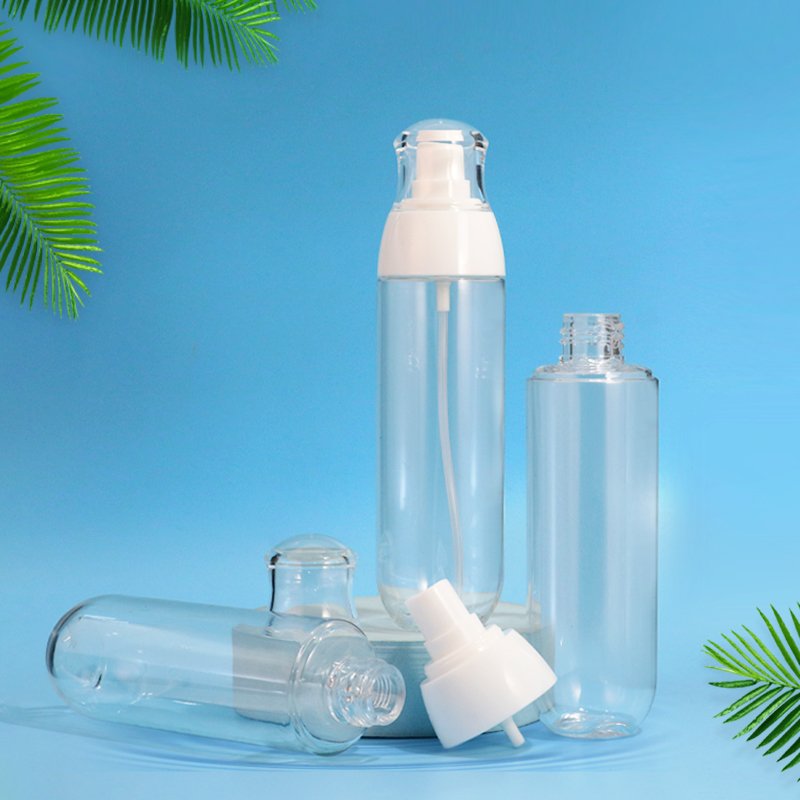
PETG 100ml spray bottle
HDPE round pump bottle
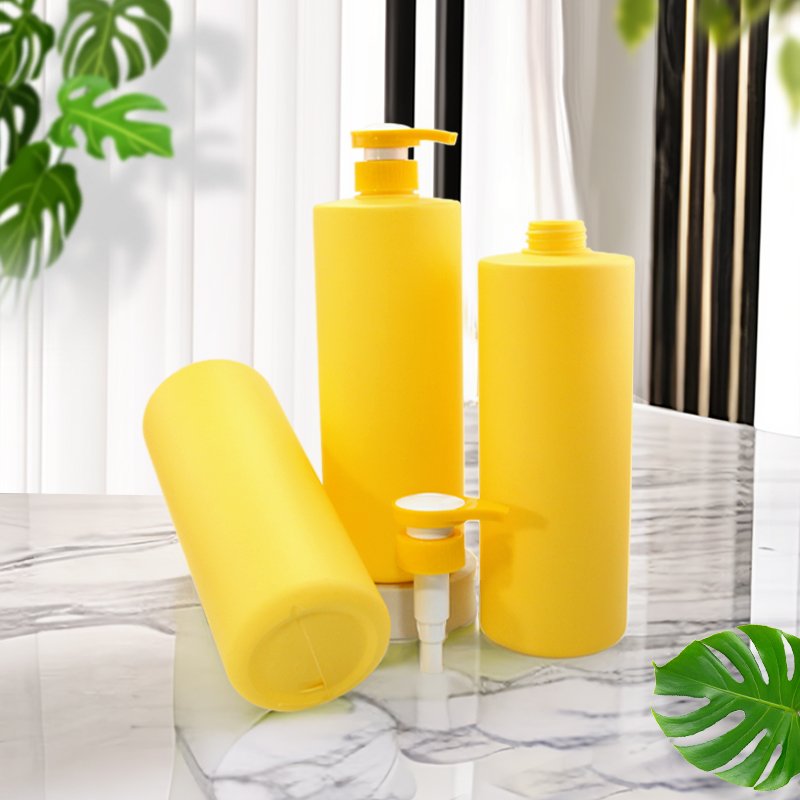
HDPE 1000ml pump bottle
aluminum-look pump bottle
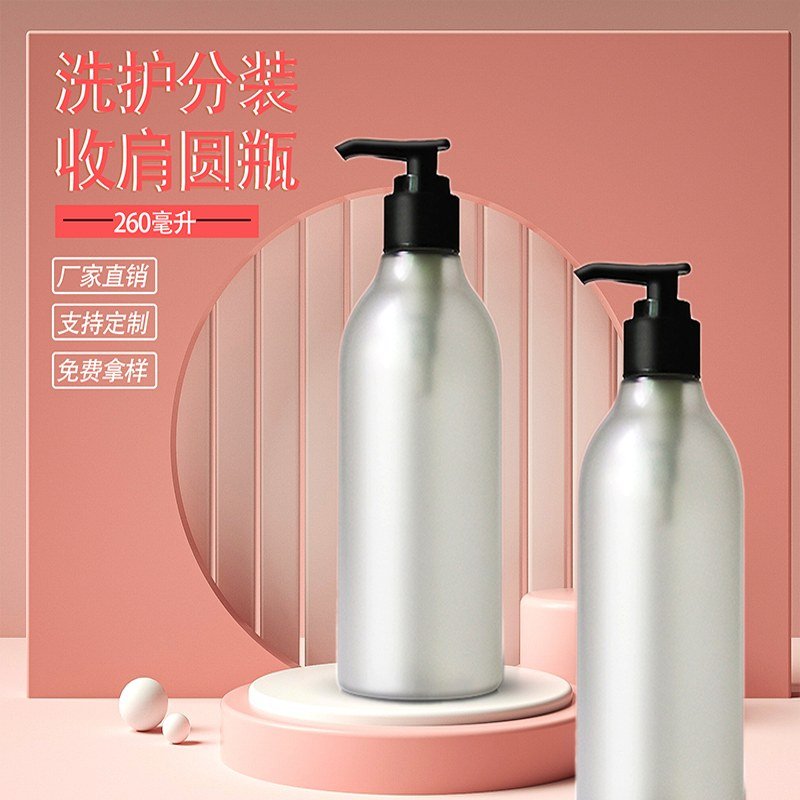
PET aluminum-look 260ml pump bottle

Pick your dispensing system first (pump, dropper, spray, airless), then choose finish and decoration to match the brand tier.

Design is where function meets brand

A bottle has to dispense correctly, survive the shelf, and tell your brand story at a glance. This hub collects our guides on shape, finish, decoration, color and every common dispensing system so you can specify with confidence.

Guides in this hub

Curated, in-depth guides written for buyers and brand owners. Each opens in its own page.

ARTICLE 01 How to Choose Cosmetic Bottle Capacity & Shape by Product Type

A product-by-product guide to cosmetic bottle capacity and shape — serums, toners, lotions, shampoos, mists and more. Match the right volume and form to your formula and usage.

ARTICLE 02 Frosted vs Glossy Cosmetic Bottles: Which Surface Finish Fits Your Brand?

Frosted vs glossy bottle finish is not just looks. Compare matte spray, acid etch and polished surfaces on cost, feel, print adhesion and UV protection.

ARTICLE 03 Cosmetic Bottle Decoration & Surface Finishing: Print, Foil, Coating & Labels

A cosmetic packaging guide to bottle decoration — silk-screen printing, hot-foil stamping, spray coating, soft-touch, frosting and labels. Choose the right finish for your brand.

ARTICLE 04 Screen Printing Durability on Cosmetic Bottles: Testing and Specs That Hold

Screen printing durability on cosmetic bottles: which tests prove a logo survives filling, shipping and use, and what to specify on the purchase order.

ARTICLE 05 Hot Stamping vs Metallised Labels: Choosing a Premium Cosmetic Finish

Hot stamping foils the bottle; metallised labels sit on top. Compare look, durability, cost and recyclability to choose the right premium finish.

ARTICLE 06 Label Adhesive Selection for Cosmetic Bottles: Hot, Cold and Wet Performance

Label adhesive must match bottle material, storage temperature and fill method. Learn how acrylic, hot-melt and solvent adhesives perform.

ARTICLE 07 The Psychology of Color in Cosmetic Packaging Design

How color drives purchase decisions in beauty packaging - category codes, cultural meaning, material effects, and how to hold a Pantone match steady.

ARTICLE 08 Minimalist vs. Luxury: Choosing the Right Aesthetic for Your Cosmetic Brand

Minimalist vs luxury packaging: how each aesthetic shapes perceived value, the finishes behind the look, and a framework to match it to your price tier.

ARTICLE 09 Top 10 Cosmetic Bottle Design Trends for 2026

The 10 cosmetic bottle design trends shaping 2026: airless systems, refillable packaging, soft-touch finishes, mono-material PET, minimalist luxury and more.

ARTICLE 10 Cosmetic Bottle Closures & Dispensing: Pumps, Sprayers, Droppers & Caps

A buyer's guide to cosmetic bottle closures — lotion pumps, fine-mist sprayers, dropper pipettes and caps. Match the right dispensing system to serum, toner, lotion and shampoo.

ARTICLE 11 Cap Torque Specification: How Tight Is Tight Enough for Cosmetic Bottle Closures?

Cap torque specification for cosmetic bottle closures: the in-lb range that seals without leaking, and the torque lines to put on the spec.

ARTICLE 12 Cosmetic Bottle Neck Finishes: 24/410, 28/410, 58/400 and How to Specify Them

Neck finishes for cosmetic bottles explained: what 24/410 and 28/410 mean, how the thread locks your cap choice, and what to write on the spec.

ARTICLE 13 Complete Guide to Lotion Pump Mechanisms and Selection

How lotion pumps work and how to choose one: neck sizes, dosage per stroke, spring position, viscosity limits, lock types and recyclable options.

ARTICLE 14 Airless Bottles vs. Regular Pumps: Which Is Right for Your Product?

Airless bottles vs regular pump bottles: how each dispensing system works, when to use airless for oxygen-sensitive formulas, cost differences and how to choose the right one.

ARTICLE 15 Dropper Bottles for Serums: Design Considerations and Best Practices

A practical guide to serum dropper bottles: bulb materials, pipette lengths, dosage accuracy, neck finishes, CRC options and how to avoid leaks in transit.

ARTICLE 16 Spray Systems for Toners and Mists: Technical Specifications Buyers Should Know

Spray systems for toners and mists: crimp vs screw pumps, fine vs standard mist output, neck finishes and leak control that protect your formula.

ARTICLE 17 Cream Jar vs. Jar with Lid: 5 Sealing Options Compared

Cream jar sealing compared: inner disc, cap liner, induction seal, gasket cap and airless jars, with leak control, tamper evidence and cost per unit.

ARTICLE 18 The Rise of Refillable Systems in Beauty Packaging: What Brands Need to Know

Refillable beauty packaging explained: the four main system types, real cost maths, regulatory drivers in the EU, and how to launch a refill line at MOQ 5,000.

More topic hubs

Explore the other pillars in our cosmetic-packaging knowledge base:

Frequently asked questions

How do I choose between a pump, dropper and spray?
Droppers suit serums and oils (controlled drops); lotion pumps suit creams, lotions and shampoos (controlled dose); airless pumps protect oxygen-sensitive formulas; sprays/misters suit toners and setting mists. Match the system to viscosity and dosage.
What is the difference between frosted and glossy finish?
Glossy is the natural, shiny surface of molded plastic; frosted is achieved by etching or a matte coating for a soft-touch, premium look. Frosted hides minor surface defects but can slightly mute clarity.
Which decoration lasts longest on a bottle?
Screen printing and hot-stamping are the most durable on-curve decorations; pressure-sensitive labels are flexible but can peel if not matched to the bottle material and adhesive. See our durability guides for specifics.
What are standard neck finishes and why do they matter?
Neck finish (e.g. 24/410, 28/410) defines the thread and closure compatibility. Using a standard finish lets you mix bottles and closures from different sources — critical for procurement flexibility.
Are refillable systems worth it for cosmetic brands?
Refillable glass or durable PET/HDPE systems support sustainability messaging and repeat purchase, but need a robust closure and a clear refill logistics plan. Our refillable-systems guide covers the trade-offs.

Related resources

Need a bottle built around your formula?

Tell us your product, capacity and market — we will map the right material, closure and decoration, with low-MOQ OEM since 2003.

Request a quote