
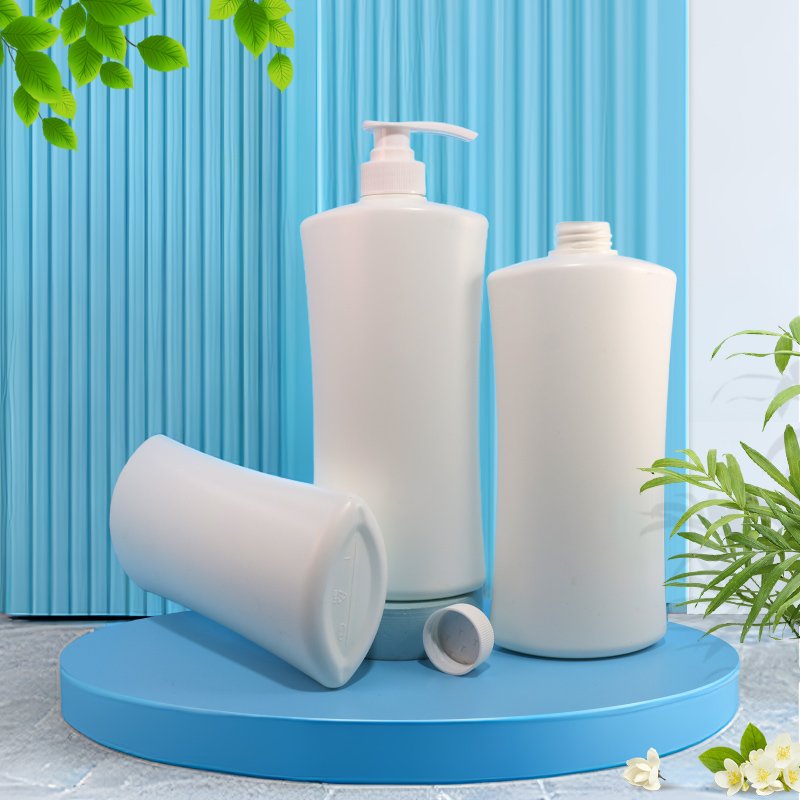
A neck finish such as 24/410 means a 24 mm diameter and a 410 thread style, and it is the code that decides which cap will screw onto your bottle. The first number is the neck outer diameter in millimetres. The second is the thread design, which controls pitch, depth and the sealing land. Get either number wrong and your pump, sprayer or lid will not fit, even when the bottle looks correct.
Most buyers pick a bottle by shape, capacity and colour, then assume any cap in the same diameter will fit. It will not. The neck finish is a precise, standardised interface, and two bottles with a 24 mm neck can be completely incompatible because their threads differ. This guide explains what the numbers mean, which finishes dominate cosmetic packaging, and exactly what to write on your specification so the closure matches the bottle every time.
Neck finish at a glance
- What the code means: 24/410 = 24 mm neck diameter and 410 thread style. The diameter sets the cap size; the style sets the thread geometry.
- Dominant cosmetic sizes: 24/410 and 28/410 for bottles; 58/400, 58/410 and 70/400 for wide-mouth jars and tubs.
- Why it matters: the pump, sprayer, dropper or lid is engineered to one finish; a mismatch means leaks, loose caps or a line that will not run.
- ShiJin: 1,000+ open molds across 24/410 and 28/410 finishes, MOQ 5,000 units, 15-25 day production, closure matched at sample stage.
What Does 24/410 Actually Mean?
The neck finish is written as two numbers separated by a slash. The first is the nominal outside diameter of the neck in millimetres. The second is a thread-style code defined by the plastics industry finish standard, originally published by the Society of the Plastics Industry and still used worldwide.
In 24/410, the 24 is the diameter and the 410 is the style. The style controls the number of thread starts, the pitch, the depth and the length of the sealing land where the cap liner presses. A 24/410 and a 24/415 share a diameter but differ in thread geometry, so a cap made for one may start but never seal on the other.
The diameter also tells you the cap you need. A 24 mm neck takes a 24 mm cap. That sounds obvious, yet mix-ups happen when a buyer orders a 24/410 bottle and a 28 mm cap, or assumes the two are interchangeable. They are not.
Which Neck Finishes Dominate Cosmetic Packaging?
Two bottle finishes cover the large majority of cosmetic and personal-care bottles, and two jar finishes cover most tubs and scrubs.
| Finish | Typical use | Common closures |
|---|---|---|
| 24/410 | Serums, lotions, toners, 30-200 ml bottles | Screw caps, treatment pumps, sprayers, droppers |
| 28/410 | Cleansers, shampoos, 150-500 ml bottles | Lotion pumps, disc-tops, flip-caps, sprayers |
| 58/400 | Wide-mouth jars and scrubs | Straight-sided lids, sifter caps |
| 70/400 | Body butters, masks, tubs | Wide lids, tamper-evident bands |
Within a diameter, the 410 style is the workhorse for continuous-thread closures, while 415 gives a slightly longer thread engagement often used for dispensing caps. The 400 style on jars is the shallow, straight-sided finish favoured for wide-mouth lids. Choose the finish from the closure you have already selected, not the other way around.
If you are still choosing the bottle, our closures and dispensing guide maps finishes to pump, spray and dropper options before you commit a mold.
Why Does the Finish Lock Your Closure Choice?
The closure is not a loose accessory. The pump or sprayer is built around one specific finish, with a collar, gasket and thread that match that diameter and style. A 24/410 treatment pump will not seal on a 24/415 bottle, and a 28/410 lotion pump will not start on a 24/410 neck at all.
This is why finish and closure must be locked together at the sample stage. When you approve a bottle, you are also approving the finish it presents to the world. Changing the cap later means either a new cap engineered to the existing finish or a new bottle with a new finish, and the second option usually means a new mold.
The same logic applies to liners and wads. A cap liner is sized to the sealing land of the finish, so even a correct-diameter cap with the wrong liner can leak. Specify the liner material with the finish, especially for essential-oil or alcohol-based formulas.
How Do You Measure and Confirm a Neck Finish?
Diameter is measured across the neck outside, and thread style is confirmed against the finish standard gauge, not guessed from a photo. At the sample stage, suppliers should provide the finish designation in writing and, for critical runs, a thread profile or a go/no-go gauge reading.
Two practical checks catch most problems. First, thread the intended closure by hand on the pre-production sample; it should start smoothly and close with consistent torque. Second, run an application torque test on the filled bottle, following the approach in ASTM D3198, and record the target range so production can be checked against it.
If the closure feels cross-threaded, binds, or stops short of the sealing land, the finish is wrong for that cap. Fix it before mass production, because every carton will carry the same defect. Our pre-shipment inspection guide lists the closure and torque checks that belong in every QC plan.
What Should You Put on the Specification Sheet?
Four lines remove the ambiguity. Copy them into your specification and the closure will match the bottle by definition.
- Neck finish designation. For example 28/410, stated as diameter over style, not just "28 mm".
- Closure type and supplier reference. The exact pump, sprayer or lid model you approved, with its part number.
- Liner or wad material. Specified for the formula, with a note on chemical compatibility for alcohol or oil bases.
- Application torque range. A target in Newton-centimetres, confirmed on the pre-production sample and checked on shipment.
These lines let any supplier quote the same bottle and the same closure, which makes re-sourcing and re-quoting honest. They also turn a finish mismatch from a surprise at the filling line into a checked item at the sampling stage.
At ShiJin we match the closure to the mold at sample approval across a library of 1,000+ open molds, with MOQ from 5,000 units and 15-25 day lead times. Send the closure you plan to use and we will confirm the compatible finish before tooling starts.
What Are the Symptoms of a Finish Mismatch?
A mismatch shows up long before the product reaches a customer. The cap may cross-thread, close with uneven torque, leave a visible gap at the sealing land, or back off during transit vibration. Any of these becomes a leak, a tamper failure or a line stoppage.
The expensive version is silent: the cap appears to fit, passes a quick hand-check, then loosens in the carton and weeps into the shipper. That is why finish and closure belong in the written specification, not in the assembler's judgment on the day.
If you have already seen leaks on a current bottle, the cause is often a finish-to-closure mismatch rather than the bottle material. Our sealing options guide covers the same interface on jars, where the same rules apply.
Frequently Asked Questions
What does 24/410 mean on a cosmetic bottle?
24/410 means a 24 mm neck diameter and a 410 thread style. The 24 sets the cap size, and the 410 sets the thread geometry, pitch and sealing land. A cap is engineered to one finish, so both numbers must match the closure you choose.
What is the difference between 24/410 and 28/410?
They share the same thread style but differ in diameter: 24 mm versus 28 mm. 24/410 suits smaller 30-200 ml serum and lotion bottles, while 28/410 suits larger 150-500 ml cleanser and shampoo bottles. A 28 mm cap will not fit a 24 mm neck.
Can a 24/410 cap fit a 24/415 bottle?
Usually not reliably. The diameter matches but the thread style differs, so the cap may start and then fail to seal, or bind and cross-thread. Always match both the diameter and the style to the closure's rated finish.
How do I confirm the neck finish is correct before production?
Require the finish designation in writing at sample approval, thread the intended closure by hand, and run an application torque test following the approach in ASTM D3198. A cap that binds, gaps at the sealing land, or backs off under vibration signals a finish mismatch.
Which neck finishes are used for cosmetic jars?
Wide-mouth jars typically use 400-style finishes such as 58/400 and 70/400, which take straight-sided lids and tamper-evident bands. Bottles use 410-style finishes such as 24/410 and 28/410 for pumps, sprayers and screw caps.
Matching bottle options for this topic
Real molds from our library in a comparable material and size class — each product page carries the full spec sheet, neck size, MOQ and lead time.
- PET Cosmetic Bottle 120ml — SKU SJT0261-120
- PE Cosmetic Bottle 250ml — SKU SJE1685-250
- PET Cosmetic Bottle 350ml — SKU SJT0339-350
- PET Cosmetic Bottle 650ml — SKU SJT0506-650
Need a closure that matches your bottle?
Send us the pump, sprayer or lid you plan to use. We will confirm the compatible neck finish across our 1,000+ open molds and lock it in at the sample stage, with MOQ from 5,000 units.
Browse Mold Library Request a Quote