
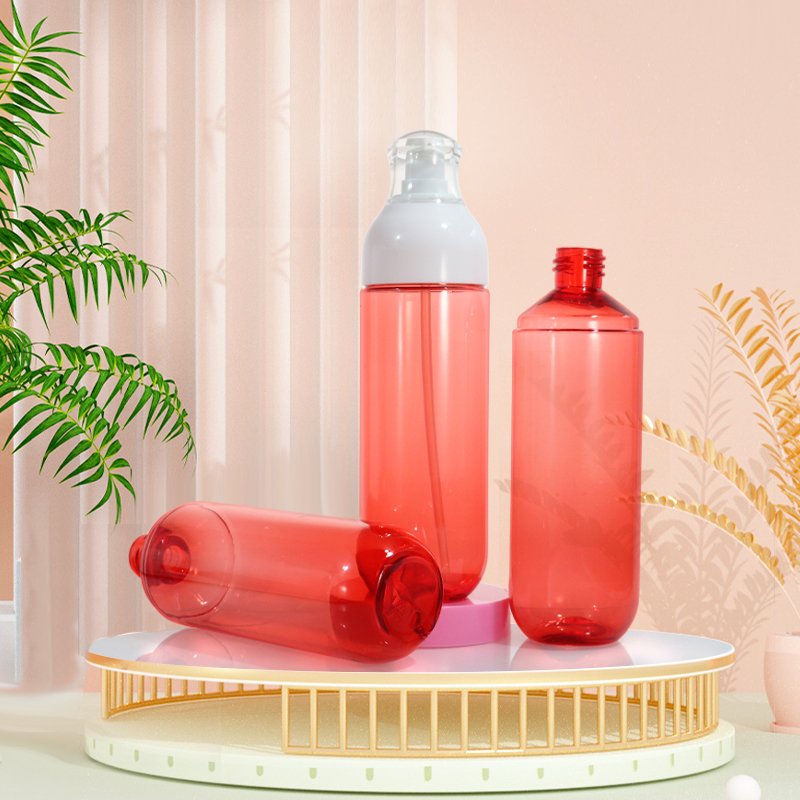
Choose minimalist or luxury packaging by your retail price, not by taste. Minimalist uses clean surfaces and one hero color to signal honesty and function. Luxury adds weight, metallized or soft-touch finishes and restrained detail to signal worth. The two looks cost and tool differently, so the decision sets your decoration budget before you draw a single line.
Buyers decide in under seven seconds whether a product looks worth its price. The bottle does most of that talking. This guide separates the two dominant cosmetic aesthetics, shows the manufacturing behind each, and gives you a framework to pick the one that fits your brand and your margin.
Aesthetic at a glance
- Minimalist signal: clean, uncluttered surface, one hero color, function-first; reads honest and modern.
- Luxury signal: material contrast, weight, metallized or soft-touch finish, restrained detail; reads worth paying for.
- Decoration cost order: silk screen (lowest) < hot stamping < metallization < soft-touch coating (highest per unit).
- ShiJin: 1,000+ open molds, MOQ 5,000 units, 15–25 day production, color and finish customisation.
Why Does the Aesthetic Decide Perceived Value?
Packaging is the first touchpoint. Before a customer reads the claims, they read the bottle. A heavy, detailed pack suggests a formula worth the price. A plain, clean pack suggests the money went into the product instead of the wrapper.
Neither is universally better. The error is mismatch. A luxury bottle at a low price looks like the brand padded the packaging. A plain bottle at a high price looks cheap. The aesthetic must track the number on the tag.
Three cues do most of the work: weight in the hand, surface finish, and color restraint. Get those right and the rest of the design can stay simple.
What Counts as Minimalist, and What Counts as Luxury?
Minimalist packaging keeps the surface quiet. One or two colors, flat or lightly graded, generous negative space, and a small wordmark. The bottle shape is often a clean cylinder or soft rounded rectangle. The message is confidence through restraint.
Luxury packaging works through contrast and finish. Thick-walled PET or glass-weight material, a metallized or lacquered cap, a soft-touch coating on the body, and a single hero accent against a calm base. The detail is deliberate, not busy. The message is craft and worth.
The split is not about how much you spend on the shape. It is about how much signal you put on the surface. Minimalist brands remove signal. Luxury brands add it with care.
How Do You Match the Look to Your Price Tier?
Start from the retail price and the channel. A serum above USD 40 per unit can carry luxury detailing and the customer accepts it. A launch indie brand at USD 18 reads as more honest in a clean minimalist system.
Channel sharpens the call. Department-store and spa placement rewards tactile, detailed packs. Direct-to-consumer and clean-beauty shelves reward calm, confident minimalism. Match the pack to where it will actually sit.
Watch the mismatch traps. A plain bottle at a premium price signals cheap. An over-decorated bottle at a budget price signals the brand spent on looks, not formula. Both cost you the sale.
Which Decoration Methods Create Each Look, and What Do They Cost?
The aesthetic is built in the decoration step. Each method adds a different amount per unit, and the order is fairly stable.
| Method | Look it gives | Relative cost |
|---|---|---|
| Silk screen printing | Flat 1–2 color logo, clean and modern | Lowest |
| Hot stamping | Metallic or gloss logo line, premium accent | Medium |
| Metallization | Mirror or satin cap, luxury signal | Medium–high |
| Soft-touch coating | Matte, velvety feel, high-end tactility | Highest per unit |
Silk screen is the workhorse of minimalist design. Hot stamping and metallization create the luxury accent. Soft-touch coating is the most expensive per unit but the strongest tactile cue. Ask for printed samples before you commit a full run - a finish that photographs well can feel wrong in the hand.
Color is a separate lever. A custom-matched PET or PETG body in your hero shade costs far less than new tooling and instantly separates you from stock white. See our color psychology guide for how hue drives perception.
How Does MOQ Let You Test One Aesthetic First?
A low minimum order quantity turns the aesthetic decision from a bet into a test. ShiJin's MOQ of 5,000 units lets a new brand launch one look, learn from the shelf, and adjust the next run.
Because the mold library is open, you can switch the closure without re-tooling the body. Move from a minimalist white cap to a metallized luxury cap on the same PET bottle and only the closure tooling changes. That keeps the experiment cheap.
Use the first run to learn, not to perfect. Confirm the color, the finish feel and the cap story. Then scale the winner. Our MOQ 5,000 first-order guide shows how to structure quantities so the test still fits the budget.
What Is a Simple Framework to Decide?
You do not need a design agency to make the call. Run four steps.
- Set the target retail price. Below USD 25 leans minimalist. Above USD 40 can carry luxury detail.
- Pick one hero color and one accent. Minimalist keeps the accent off the surface. Luxury places it on the cap or a single band.
- Choose decoration by budget. Silk screen first, add hot stamp or soft-touch only where the value gain clears the cost.
- Confirm the family reads as one. Bottle, cap and label should look like a planned set, not three separate buys.
Test with a 5,000-unit first run before scaling. The shelf, not the mock-up, tells you if the aesthetic earned its price.
At ShiJin you can spec the aesthetic from a library of 1,000+ open molds with MOQ from 5,000 units and 15–25 day production. Tell us your retail ladder and we will propose a minimalist or luxury system that fits the margin.
Frequently Asked Questions
What is the difference between minimalist and luxury cosmetic packaging?
Minimalist packaging uses a clean surface, one or two colors and a small wordmark to signal honesty and function. Luxury packaging adds material contrast, weight, metallized or soft-touch finishes and restrained detail to signal worth. The real difference is how much signal sits on the surface, not the bottle shape itself.
Does minimalist packaging cost less than luxury packaging?
Usually, yes. Minimalist looks lean on silk screen printing, the lowest-cost decoration. Luxury looks add hot stamping, metallization or soft-touch coating, each raising the per-unit cost. The bottle body can be identical; the finish is what changes the price.
Which decoration method best signals a premium product?
A metallized or satin cap plus a soft-touch body coating gives the strongest premium signal at a workable cost. Hot stamping adds a crisp metallic logo line for less. Combine one tactile finish with one metallic accent rather than decorating the whole surface.
Can I switch from minimalist to luxury without new tooling?
Often, yes. Because open molds share a standard neck, you can change the cap to a metallized or lacquered version on the same bottle body. The body tooling stays; only the closure changes. That lets you test a luxury variant on a proven shape.
How do I choose an aesthetic for a new brand with a small budget?
Match the look to your launch price, keep decoration light, and use a 5,000-unit MOQ to test one system first. A custom body color plus silk screen reads clean and modern for little cost. Scale the decoration only after the shelf proves the price.
Need an aesthetic that matches your price tier?
Send us your retail ladder and we will propose a minimalist or luxury packaging system from our 1,000+ open molds, with decoration options and per-unit costs spelled out.
Browse Mold Library Request a Quote