
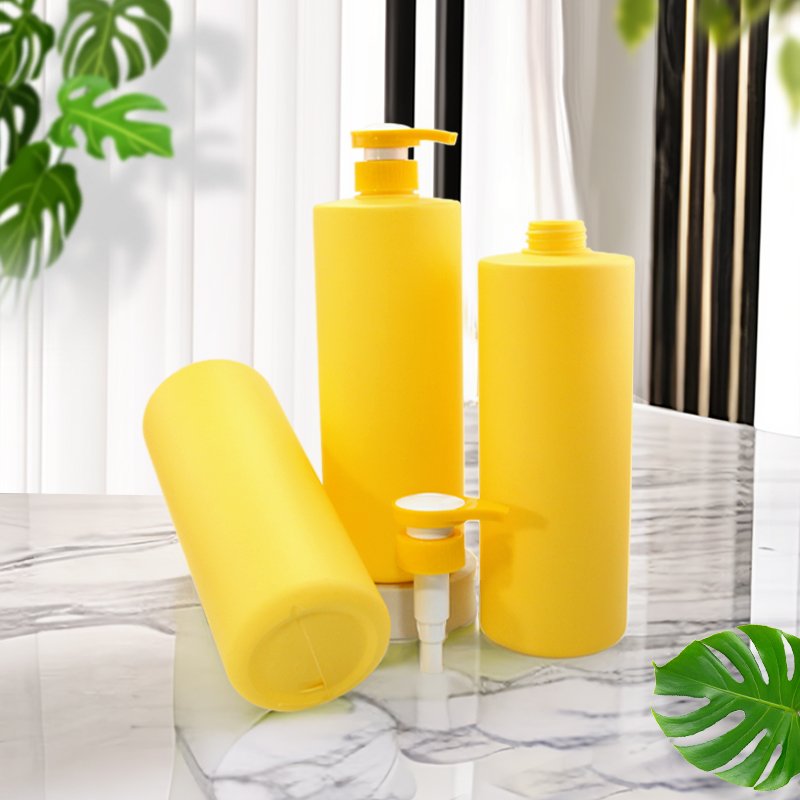
A refillable system separates the durable outer pack from a low-cost inner refill. The customer keeps the shell and rebuys only the formula. Done well, it cuts plastic per use by 60 to 80 percent and lifts repeat purchase. Done badly, it doubles your tooling cost for a product nobody rebuys.
Refills are no longer a niche experiment. Regulation, retailer pressure and margin maths are pushing them into the mainstream. This guide breaks down the four system types, the economics, and how to pilot one without overcommitting.
Refill systems at a glance
- Plastic reduction: a pouch or insert refill typically uses 60–80% less plastic per use than a new full pack.
- Break-even: most refill programmes need 2–3 refill purchases per shell to justify the heavier outer pack.
- Regulatory driver: the EU Packaging and Packaging Waste Regulation (PPWR) tightens recyclability and waste-reduction duties across member states.
- Design rule: mono-material construction keeps the pack inside standard recycling streams.
- ShiJin: PET, HDPE and PETG shells and refill bottles, MOQ 5,000 per component, 15–25 days lead time.
Why Are Refills Growing Now?
Three forces are converging, and none of them are reversing.
Regulation. The EU Packaging and Packaging Waste Regulation raises recyclability requirements and pushes brands to cut packaging waste at source. Refill formats are one of the clearest compliance routes.
Retail pressure. Major beauty retailers now ask for packaging credentials during range reviews. A refill option strengthens that submission.
Margin. This is the underrated driver. A refill sells the formula without the pump, the closure and the decoration. Cost of goods drops while the customer stays inside your ecosystem.
What Are the Four Refill System Types?
1. Pouch refill
The customer decants a flexible pouch into the original bottle. It is the cheapest to launch and gives the biggest plastic saving. The drawback is a messy pour, and flexible laminates are hard to recycle unless mono-material.
2. Insert or cartridge refill
A thin inner bottle or pod drops into a durable outer shell. Common for airless serums and premium creams. Clean to use and it protects the formula, but it needs two matched tools instead of one.
3. Screw-on refill bottle
The customer keeps the pump and screws it onto a new, undecorated bottle. This is the simplest engineering route because the neck finish already exists. It works well for lotions, shampoos and body care.
4. In-store bulk refill
The customer refills at a dispensing station. Lowest packaging footprint of all, but it demands retail partnership and strict hygiene controls, so it stays limited to specific channels.
Which System Fits Which Product?
| System | Tooling cost | Plastic saved | Best for |
|---|---|---|---|
| Pouch refill | Lowest | 70–80% | Shampoo, body wash, lotion |
| Insert / cartridge | Highest | 50–65% | Serum, eye cream, airless |
| Screw-on refill bottle | Low | 30–40% | Lotion, hair care, cleanser |
| In-store bulk | Medium | 85%+ | Retail partnerships |
For most emerging brands the screw-on refill bottle is the pragmatic entry point. It reuses the neck finish you already have, so the second tool is a plain bottle rather than a full system.
Do Refills Actually Save Money?
Only if customers rebuy. The economics hinge on one number: refills purchased per shell sold.
A refillable outer shell costs more than a standard bottle. It needs thicker walls, better decoration and often a metal or coated finish. That premium is recovered across subsequent refill purchases, not on the first sale.
- Below 2 refills per shell: the programme usually loses money against a standard pack.
- 2–3 refills per shell: typical break-even zone for most categories.
- Above 3 refills: clear margin gain, because each refill omits the pump and decoration.
Two levers raise that ratio. Price the refill 25 to 35 percent below the full pack so the saving is obvious. And make repurchase effortless through subscription or an in-pack reorder code.
What Makes a Refill System Work?
Refill programmes fail on friction, not on intent. Five design rules matter.
- Make the shell feel worth keeping. If the outer pack feels disposable, the customer discards it and the system collapses.
- Use mono-material construction. A single resin family keeps both parts inside standard recycling streams. Mixed materials undercut the sustainability claim.
- Design for one-handed refilling. Wide openings, clear fill lines and positive clicks. Test with real users, not on a bench.
- Protect the formula during transfer. Sensitive actives should use a sealed cartridge, not an open pour. See our airless vs pump comparison for when the seal really matters.
- Keep decoration on the shell only. Undecorated refills cut cost and simplify recycling.
How Do You Launch a Refill Line?
Start narrow. A refill programme across an entire range is a large bet on unproven behaviour.
Pick your single best-selling SKU - the one customers already repurchase. Launch the refill for that product only, and measure the repeat rate for two full purchase cycles before extending.
Realistic pilot plan
- Step 1: select one high-repurchase SKU with a standard neck finish.
- Step 2: source the refill as an undecorated stock bottle from an open mold - no tooling cost.
- Step 3: order at MOQ 5,000 units and allow 15–25 days production.
- Step 4: price the refill 25–35% below the full pack.
- Step 5: track refills per shell for six months, then decide on a private mold.
Using a stock mold for the pilot is the key move. ShiJin holds 1,000+ open molds across PET, HDPE and PETG, so a refill bottle can match your existing neck finish without new tooling. Browse the mold library to find a compatible size, or read our MOQ 5,000 first-order guide for how to split a first run across formats.
Frequently Asked Questions
What is a refillable beauty packaging system?
It is a two-part pack. A durable outer shell stays with the customer, and a low-cost refill supplies the formula. The refill can be a pouch, a cartridge insert, or a plain screw-on bottle. Plastic use per application typically drops 60 to 80 percent.
How much plastic do refills actually save?
It depends on the format. Pouch refills save roughly 70 to 80 percent of plastic per use, cartridge inserts around 50 to 65 percent, and screw-on refill bottles about 30 to 40 percent. In-store bulk refilling saves the most, above 85 percent.
Are refillable systems more expensive to produce?
The outer shell costs more because it needs thicker walls and better decoration, but each refill costs less because it omits the pump and the printing. Most programmes break even at two to three refill purchases per shell sold.
What MOQ is needed to start a refill line?
ShiJin produces from 5,000 units per component with a 15 to 25 day lead time. Using an existing open mold for the refill bottle avoids tooling cost entirely, which makes a single-SKU pilot affordable for emerging brands.
Which refill system is easiest for a new brand?
The screw-on refill bottle. It reuses the neck finish of your current pump, so the customer simply moves the pump to a new undecorated bottle. No new closure development and no cartridge tooling are required.
Matching bottle options for this topic
Real molds from our library in a comparable material and size class — each product page carries the full spec sheet, neck size, MOQ and lead time.
- PE Cosmetic Bottle 200ml — SKU SJE1767-200
- PET Cosmetic Bottle 300ml — SKU SJT0409-300
- PET Cosmetic Bottle 400ml — SKU SJT0218-400
- PET Cosmetic Bottle 800ml — SKU SJT0252-800
Planning a refill range for 2026?
We supply shells and matched refill bottles across PET, HDPE and PETG. Tell us your neck finish and we will find a stock mold that fits - no tooling cost.
Browse Mold Library Request a Quote