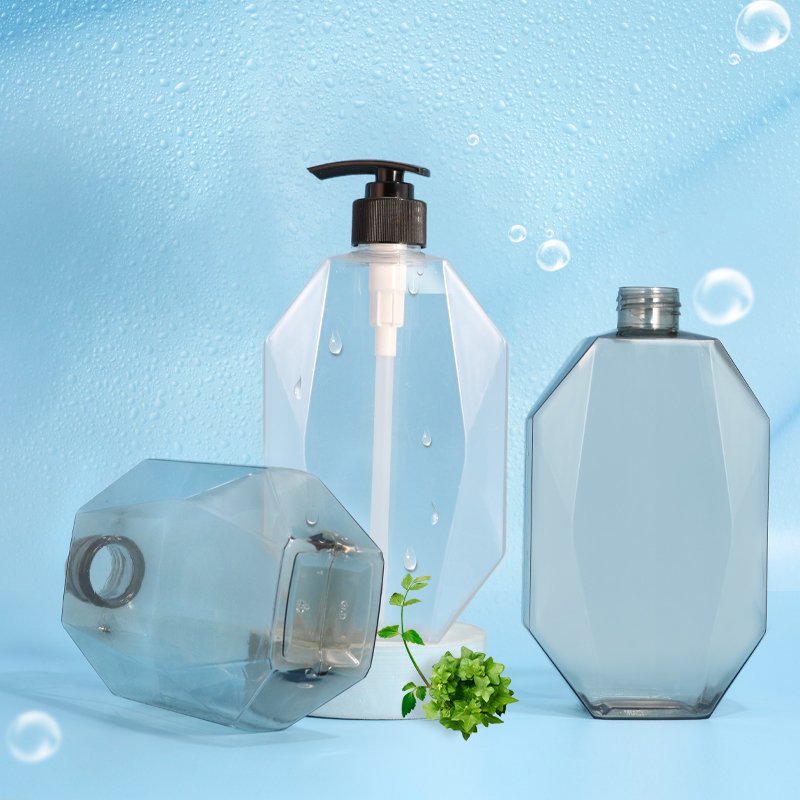
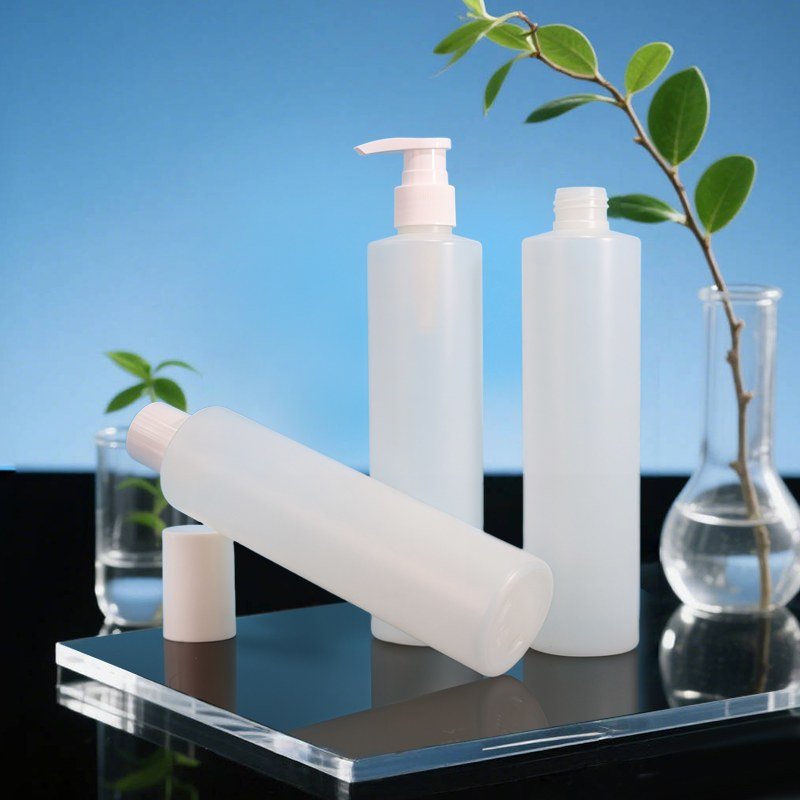
Start with the PET vs HDPE vs PETG comparison, then drill into recyclability, PCR content and chemical compatibility for your specific formula.
Why material choice decides formula safety and shelf appeal
Guides in this hub
Curated, in-depth guides written for buyers and brand owners. Each opens in its own page.
Glass signals luxury but weighs 5-10x more than PET and breaks in transit. Compare cost, shipping and decoration for cosmetic brands.
Compare PET, HDPE and PETG for cosmetic and skincare bottles: clarity, chemical resistance, cost and recyclability, plus a 4-step selection framework.
UV and visible light oxidise vitamin C, retinol and oils in clear bottles. Amber, frosted or UV-additive bottles block 90 to 99 percent of harmful light.
How oxygen, moisture and fragrance transmission affect cosmetic shelf life, which material blocks what, and how to choose the right barrier.
How to match your cosmetic formula to PET, HDPE or PETG. Learn which ingredients attack which plastics, how to run compatibility tests, and avoid costly failures.
Mono-material cosmetic packaging: why mixed resins, metal springs and dark pigments break recycling, and the design choices that keep a bottle sortable.
PCR recycled content vs food-grade virgin resin for cosmetic bottles: what each means for compliance and claims, and how to specify without greenwashing.
A guide to post-consumer recycled PET for cosmetic bottles: clarity, GRS certification, recycled-content levels, cost and honest sustainability claims.
More topic hubs
Explore the other pillars in our cosmetic-packaging knowledge base:
Frequently asked questions
Related resources
Need a bottle built around your formula?
Tell us your product, capacity and market — we will map the right material, closure and decoration, with low-MOQ OEM since 2003.
Request a quote