
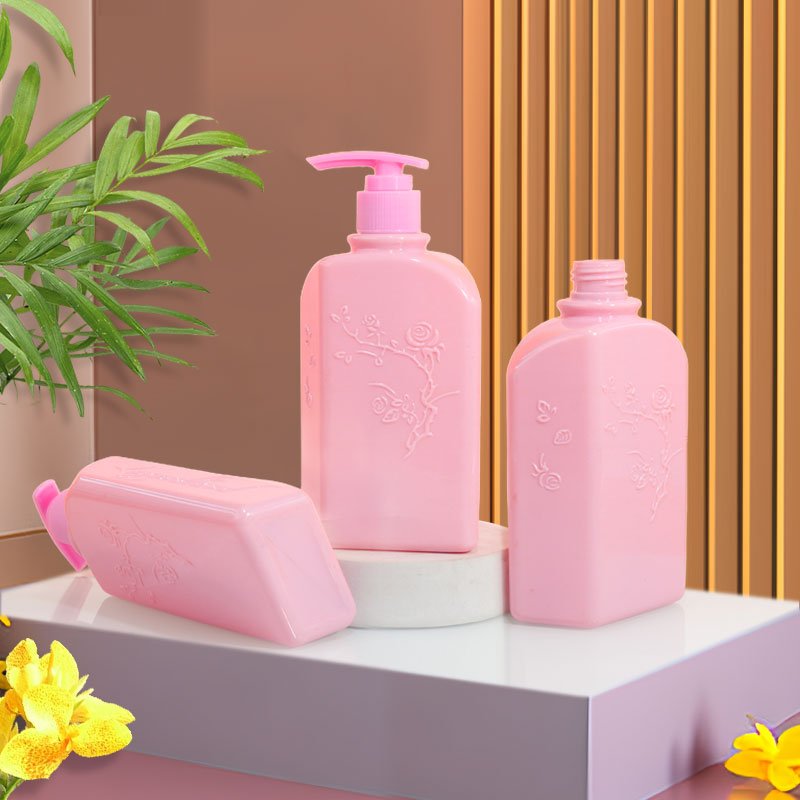
Screen printing puts a cured ink film on the bottle surface, and durability means that film stays put through filling, carton rubbing, humidity and daily handling. The two tests that prove it are an adhesion cross-hatch cut and a rub or abrasion cycle, both run on production samples rather than on a sales proof. Specify the test method and the pass level on the purchase order, and a logo that survives the shelf becomes the default instead of a hope.
Decoration is where cosmetic packaging earns its brand moment, and it is also where the most visible defects appear. A printed logo that flakes at the filler, fades in the window or rubs off in the carton turns a premium bottle into a returned unit. This guide explains which durability tests actually matter, what a print specification should contain, and how to brief a supplier so the artwork survives the whole journey from factory to bathroom shelf.
Print durability at a glance
- Two tests that matter: adhesion by cross-hatch cut (ASTM D3359 style) and rub or abrasion resistance on the cured film.
- Where it fails: at the filler from solvent splash, in cartons from rub, and on shelf from UV and handling.
- What you order: ink type, cure method, and a stated pass level for adhesion and rub cycles on production samples.
- ShiJin: screen and pad printing with production-sample adhesion checks, MOQ 5,000 units, 15-25 day lead time.
Which Printing Methods Are Used on Bottles?
Two methods dominate cosmetic bottle decoration. Screen printing lays a relatively thick, opaque ink film through a mesh, which gives strong colour and good coverage on curved surfaces. Pad printing transfers ink from a plate onto the bottle via a silicone pad, which suits small, irregular or recessed areas the screen cannot reach.
Both methods rely on the same weak point: the bond between cured ink and plastic. A beautiful print is worthless if that bond breaks at the first rub. The method choice is about shape and coverage, but the durability question is about adhesion and cure, and that applies to both.
For large flat panels and standard bottles, screen printing is the workhorse. For caps, narrow necks and contoured shoulders, pad printing reaches where the screen cannot. Our surface decoration guide compares these with hot-stamp and label options for the same job.
Which Tests Prove the Print Will Last?
Two tests catch almost every failure before it ships. The first is an adhesion cross-hatch: a grid of cuts is scored through the ink into the substrate, tape is applied and pulled, and the percentage of ink remaining shows how well the film bonded. The method follows the approach in ASTM D3359, with a 5B or 4B result expected for cosmetic bottles.
The second is a rub or abrasion cycle. A standard rub tester draws a loaded felt or cloth across the print for a set number of strokes, often with a solvent such as alcohol to mimic a wiped bottle, and the print must show no significant loss. The exact cycle count is a buyer decision, but stating it turns "durable" from a feeling into a number.
Run both on production samples, not on a hand-made proof, because the filler runs at production speed and temperature. A proof printed slowly in a lab can hide a bond that fails on the line. Make the production sample the reference, and keep one on file as the standard.
Where Does Print Typically Fail?
Failures cluster in three places. At the filler, solvent or surfactant splash softens an under-cured ink and the logo smears before the bottle is even filled. In the carton, bottles rub against each other for days in transit and a weakly bonded film abrades to nothing on one side.
On the shelf, UV exposure and handling do the damage. A pigment that looked fine in the factory can fade in a sunny window, and a customer who grips the bottle daily wears the print at the contact point. None of these show up on a static sales sample; they show up in the field, which is exactly why field-mimicking tests matter.
The common root cause is under-cure. Ink that was not fully cross-linked bonds weakly and fails every test above. Specify cure conditions and verify them, and most rub-off complaints disappear. The QC guide lists the decoration checks that belong in a shipment inspection.
What Should You Put in the Print Specification?
Four lines make durability enforceable.
- Method and ink type. Screen or pad, the ink family, and the cure method, for example UV or thermal.
- Adhesion pass level. State the cross-hatch result required, such as 4B or 5B per ASTM D3359.
- Rub resistance. State the cycle count and medium, for example 50 cycles with 70 percent alcohol, with no significant loss.
- Reference sample. A signed production sample held by both sides as the standard for colour and bond.
These lines let any decorator quote the same job and let your inspector reject a weak run on objective grounds. They also end the argument where a supplier says the print "looks fine" while the tape test says otherwise.
How Do You Brief the Supplier for a Durable Result?
Start from the substrate, not the artwork. Tell the supplier the exact resin and any coating or soft-touch finish, because ink that bonds to bare PET may fail on a treated or coated surface. A good decorator adjusts primer and ink to the substrate before quoting.
Then share the journey: filling environment, carton packing method, expected transit time and shelf conditions. A bottle shipped in tight cartons for six weeks by sea needs a tougher spec than one hand-delivered to a boutique. Match the test severity to the real journey, not to a generic standard.
Finally, require the test results with the shipment, not as a promise. At ShiJin we run adhesion and rub checks on production samples across screen and pad printing, on 1,000+ open molds at MOQ from 5,000 units with 15-25 day lead times. Send the substrate and the journey, and we will specify an ink and cure that passes before mass production starts.
Frequently Asked Questions
What tests prove screen printing will not rub off?
Use an adhesion cross-hatch cut following the approach in ASTM D3359, expecting a 4B or 5B result, plus a rub or abrasion cycle with a solvent such as alcohol for a set number of strokes. Run both on production samples, not a hand-made proof, because the filler runs at production speed.
Why does printed logo rub off in the carton?
The usual cause is under-cure: ink that was not fully cross-linked bonds weakly and abrades during days of carton rubbing in transit. Specifying cure conditions and verifying them removes most rub-off complaints before shipment.
Does screen printing or pad printing last longer?
Durability depends on adhesion and cure, not the method. Screen printing lays a thicker film and suits flat panels; pad printing reaches caps and contoured areas. Both fail the same way if the bond is weak, so test the bond rather than choosing by method.
How do I specify print durability on a purchase order?
State the method and ink type, the adhesion pass level such as 4B or 5B, the rub-resistance cycle count and medium, and a signed production reference sample. These lines let any decorator quote the same job and let inspection reject a weak run objectively.
Can print survive alcohol wipes and sunlight on shelf?
Yes, with the right ink, cure and pigment. Specify alcohol rub resistance for wipes and UV-stable pigment for window display, and match the test severity to the real shipping and shelf journey rather than a generic standard.
Matching bottle options for this topic
Real molds from our library in a comparable material and size class — each product page carries the full spec sheet, neck size, MOQ and lead time.
- PET Cosmetic Bottle 100ml — SKU SJT0233-100
- PET Cosmetic Bottle 280ml — SKU SJT0262-280
- PET Cosmetic Bottle 355ml — SKU SJT0355-355
- PE Cosmetic Bottle 750ml — SKU SJE1810-750
Need print that survives the shelf?
Send the bottle substrate and the shipping journey. We will specify an ink, cure and test plan that passes adhesion and rub checks on production samples, across 1,000+ open molds at MOQ from 5,000 units.
Browse Mold Library Request a Quote