
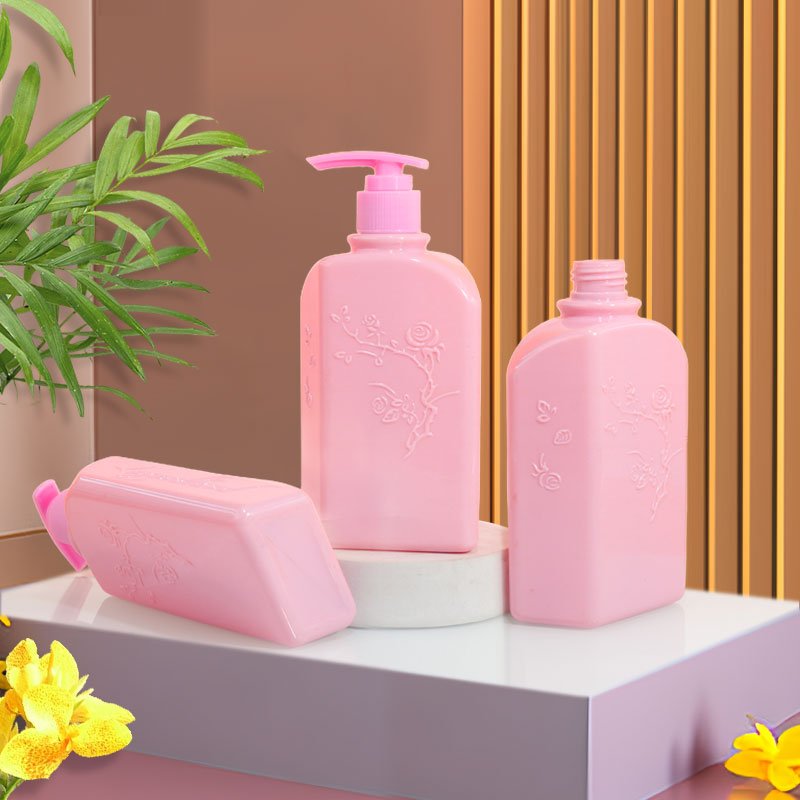
A cosmetic bottle project moves through six sample stages: stock sample, quotation sample, tooling first-shot sample, decorated sample, pre-production sample, and finally the golden sample that both sides sign and retain. Each stage answers a different question, and approving one stage does not approve the next. The golden sample is the reference the factory produces against and the standard any later dispute is measured by.
Buyers often ask for one sample, approve it, and expect the production run to match. That works until it does not, because the sample they approved was made on a different mould, decorated by a different method, or filled with a different formula. Sampling is a sequence, not a single event. This guide sets out what each stage tests, how long it takes, and what to record so the approval holds up when 50,000 bottles arrive.
Sample workflow at a glance
- Stock sample: an existing open mould bottle, typically shipped in 3-7 days for shape, capacity and hand feel.
- New tooling: mould making commonly runs 25-45 days before the first-shot sample is available.
- Golden sample: signed and sealed in duplicate, one retained by the buyer and one on the production line.
- ShiJin: 1,000+ open molds so most projects skip tooling entirely, MOQ 5,000 units, 15-25 day production.
What Are the Six Sample Stages?
Each stage exists to close one question before the next one opens. Skipping a stage does not save time; it moves the risk downstream where correcting it costs more.
- Stock sample. An existing open mould bottle sent to confirm shape, capacity and feel. Fast and cheap.
- Quotation sample. The specific SKU quoted, in the specified resin and weight, so price and part match.
- First-shot sample. For new tooling only, the first parts off the new mould, checked against drawings.
- Decorated sample. The bottle with your actual print, label, colour and closure applied.
- Pre-production sample. Made on the production line with production materials and settings.
- Golden sample. The approved reference, signed and sealed in duplicate by both parties.
Projects using an existing mould collapse stages three and four, which is why an open mould library shortens timelines so much. Projects with new tooling must run all six, and the schedule should be planned around that from the beginning. Our concept-to-shelf timeline maps these stages against calendar weeks.
What Do You Check on an Early Sample?
An early sample answers physical questions that photographs cannot. Hold the bottle, fill it with water, cap it and turn it over. Capacity is the first surprise: brimful capacity and labelled fill volume are different numbers, and a bottle sold as 100 ml needs headspace above the fill line for the dip tube and for thermal expansion.
Check the neck finish next, because it decides which closures will fit. Confirm the thread designation, not just the diameter, and test the actual cap you intend to use rather than the supplier's default. A 24/410 and a 24/415 both measure 24 mm across and are not interchangeable, as our neck finish guide explains.
Then weigh it. Part weight is the honest measure of how much resin is in the bottle, and it links directly to price and to wall strength. A supplier quoting a lower price on the same shape has usually reduced grams. Record the weight of the approved sample so later lots can be compared against a number rather than a memory.
How Does Tooling Sampling Differ?
New tooling introduces a stage with no shortcut. Mould making commonly takes 25 to 45 days depending on cavitation and complexity, and only then can the first parts be shot. Those first-shot samples are checked against the drawing dimension by dimension, and it is normal for a mould to need one or two rounds of adjustment afterwards.
Expect the first shot to be imperfect, and treat that as the point of the exercise. Typical corrections involve wall distribution, neck dimensions, base stability or a parting-line witness. Adjusting steel is routine when the mould is new and expensive once production has started, so this is where scrutiny pays.
Cavitation also affects what you are approving. A 4-cavity mould produces four slightly different bottles, all of which must sit inside tolerance, so ask for samples from every cavity rather than one representative part. Our cavitation and tolerance guide covers why cavity-to-cavity variation matters, and custom mould development covers the wider tooling process.
Which Tests Should Run Before Approval?
Visual approval is not qualification. Four categories of test turn a nice-looking sample into a validated package, and all four should run before the pre-production sample is signed off.
Compatibility comes first. Fill the bottle with your actual formula, cap it, and hold it under accelerated conditions such as 40 degrees Celsius and 75 percent relative humidity for four to twelve weeks, alongside a room-temperature control. Watch for panelling, stress cracking, weight loss through the wall, colour shift and any change in the formula. This is the test most often skipped and most often regretted, and our chemical compatibility guide explains what to look for.
Then physical performance. Leak testing on filled and capped samples, drop impact resistance following a recognised method such as ASTM D2463 for blow-moulded containers, and transit simulation such as an ISTA 3A protocol if the product will ship as an individual e-commerce parcel. Add decoration durability, since print and label adhesion are what customers see first. The checks that carry into production are listed in our pre-shipment QC guide.
Why Does the Golden Sample Matter So Much?
The golden sample is the physical definition of "correct". Once the pre-production sample passes, both parties sign and seal identical units: one stays with the buyer and one stays on the factory floor as the line reference. Everything produced afterwards is compared against that object.
Its value shows up in disputes. When a later lot arrives slightly different in colour, gloss or thread feel, a signed golden sample turns an argument about impressions into a comparison against a reference. Without one, both sides are describing memories, and the party with better documentation wins by default.
Keep it disciplined. Seal the sample so it cannot be swapped, label it with SKU, date, part weight and approver name, note the tolerances it represents rather than treating it as absolute, and reissue it if the specification changes. Colour especially should be recorded with a target and a tolerance, since a single sealed bottle drifts over time under light.
At ShiJin we ship stock samples from 1,000+ open molds in a few days, run decorated and pre-production samples before every new order, and seal golden samples in duplicate with part weight and approval data recorded. MOQ is 5,000 units with 15-25 day production. Tell us your formula and target market and we will propose the sampling sequence your project actually needs.
Frequently Asked Questions
What is a golden sample in packaging?
A golden sample is the approved reference unit that both buyer and supplier sign and seal after the pre-production sample passes. One copy stays with the buyer and one stays on the production line. All later production is compared against it, which makes it the standard used to settle any quality dispute.
How long does it take to get a bottle sample?
A stock sample from an existing open mould typically ships within 3 to 7 days. A sample from new tooling takes much longer, because mould making commonly runs 25 to 45 days before the first parts can be shot, plus time for adjustment rounds and decoration.
What is the difference between a first-shot and a pre-production sample?
A first-shot sample is the first part off a new mould, used to verify dimensions against the drawing and to identify mould adjustments. A pre-production sample is made later on the actual production line with production materials, settings and decoration, so it represents what mass production will deliver.
Do I need a compatibility test before approving a sample?
Yes, if the formula is new to that package. Fill the bottle with your actual formula and hold it under accelerated conditions such as 40 degrees Celsius and 75 percent relative humidity for four to twelve weeks with a room-temperature control, watching for panelling, stress cracking, weight loss and colour shift.
Should I ask for samples from every mould cavity?
Yes for new multi-cavity tooling. A 4-cavity mould produces four slightly different parts and each must sit within tolerance, so a single representative sample can hide a cavity that is out of specification. Requesting one sample per cavity catches the problem before production runs.
Matching bottle options for this topic
Real molds from our library in a comparable material and size class — each product page carries the full spec sheet, neck size, MOQ and lead time.
- PET Cosmetic Bottle 200ml — SKU SJT0278-200
- PET Cosmetic Bottle 300ml — SKU SJT0029-300
- PET Cosmetic Bottle 500ml — SKU SJT0196-500
- PE Cosmetic Bottle 1000ml — SKU SJE0010-1000
Need samples before you commit to an order?
Tell us the shape, capacity and formula you are working with. We will ship stock samples from 1,000+ open molds within days, run decorated and pre-production samples, and seal a golden sample in duplicate before your 5,000-unit order enters production.
Browse Mold Library Request a Quote