
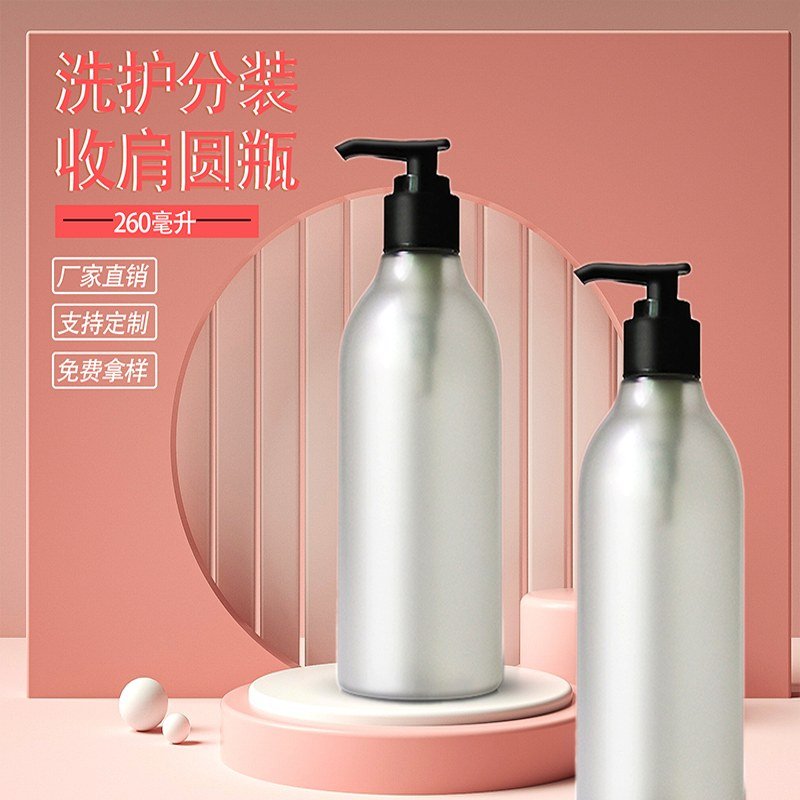
Luxury decoration on a plastic cosmetic bottle means applying a finish such as vacuum metallization, soft-touch coating, hot-foil stamping, gradient spray or frosted etch so a commodity PET or HDPE pack reads as premium. Each technique adds a different cost and a different recycling burden, so a buyer should pick one hero finish, set the specification by sample, and confirm adhesion and abrasion before mass production.
Glass feels luxurious by default; plastic does not. A brand on a China-made PET or HDPE bottle has to earn the premium look with decoration, and the good news is that the right finish can close most of the gap for a fraction of a glass tooling cost. The risk is choosing too many finishes at once, blowing the budget, and ending with a pack that looks busy rather than expensive. This guide walks through the techniques that actually read as luxury, what each costs and recycles like, and the spec lines that keep the decoration on the bottle instead of flaking off in the warehouse.
Luxury decoration at a glance
- Metallization: Vacuum-aluminium coating is about 0.05-0.1 micron thick; it gives a true metal look on PET or HDPE at a fraction of a metal or glass part.
- Soft-touch: A rubberised lacquer adds roughly 0.03-0.10 USD per bottle and the unmistakable velvet feel of prestige skincare.
- Hot foil: Foil stamping adds about 0.02-0.08 USD per bottle by coverage and stays thin enough to stay near-monomaterial.
- ShiJin: 1,000+ mold designs, MOQ 5,000 units, 15-25 day production; applies decoration drawing and sample-locked finish on PET, HDPE and PETG.
Which Techniques Read as Luxury on Plastic?
Five finishes do the heavy lifting. Vacuum metallization coats the bottle with a micro-thin aluminium layer, usually inside the wall, for a real metallic gold, silver or coloured-metal look without a metal part. Soft-touch coating is a rubberised lacquer that turns a hard glossy bottle into a velvet-feel pack, the signature of prestige skincare. Hot-foil stamping presses a metallic or holographic foil onto the logo and lines for a crisp, reflective mark. Gradient spray fades one colour into another across the body for the ombré effect luxury fragrance loves. Frosted etch, by spray or acid, gives the soft, light-diffusing surface that reads as high-end and hides minor wall lines.
Around those five sit supporting techniques. Screen print lays opaque or translucent colour and is covered in our screen printing durability guide. In-mould label fuses a printed film to the wall for a seamless wrap. UV-cured textured varnish adds a raised pattern under the finger. The mistake is stacking all of them; a luxury bottle usually carries one hero finish plus a single printed logo, not a collage.
Match the finish to the material. Metallization and gradient spray take best on PET and PETG because the surface is smooth and stable; HDPE needs a flame or corona treat first or the coat will lift. Our frosted vs glossy guide explains the base surface the finish lands on.
What Does Each Finish Cost?
Cost tracks how much of the bottle the finish covers and how many process steps it adds. Soft-touch coating adds about 0.03-0.10 USD per bottle as a single lacquer pass. Hot-foil stamping adds roughly 0.02-0.08 USD per bottle by the area of foil, so a small logo is cheap and a full-wrap foil is not. Gradient and frosted sprays add 0.05-0.20 USD per bottle depending on the number of masks and coats.
Vacuum metallization is the priciest of the common five because it needs a vacuum chamber and a clean room step, typically 0.15-0.40 USD per bottle at cosmetic volumes, more for a coloured or interior-exterior effect. In-mould label and UV texture sit in the middle. These are decoration adders on top of the bottle and the print, so a fully dressed luxury bottle can carry 0.30-0.70 USD of finish per unit at low volume, falling as the order grows.
Budget for the tooling of the finish too. Metallization racks, spray masks and foil dies are separate from the bottle mould, and they have their own set-up. A buyer who scopes the finish early avoids a surprise where the bottle is cheap but the decoration tooling is not. Our surface decoration guide lists the full finishing menu with the same cost logic.
Which Finishes Stay Recyclable?
Recyclability is where luxury finishes get honest. A thin hot-foil mark on a PET bottle is small enough that most PET reclaimers tolerate it, so foil stays near-monomaterial. Screen print and a light spray are similar: they add a coating but not a second substrate, so the bottle still sorts as PET or HDPE. Soft-touch coating is a lacquer on the surface; it survives sortation but the lacquer is lost in reclaim, which is acceptable for a mono-resin bottle.
Vacuum metallization is the hard one. The aluminium layer is tiny, but a metallized PET bottle can read as a different polymer to some optical sorters, and the coating complicates the flake. Interior metallization is friendlier than exterior because the aluminium never touches the consumer or the sort line. In-mould label and a laminate sleeve add a film to the wall and are the worst for recycling unless the label is the same resin and designed to wash off. Our mono-material guide shows how to keep the bottle recyclable under decoration.
The practical rule: if the market rewards recyclability, lead with foil, print or a single spray, and use metallization as an interior effect. If the market rewards pure luxury and recycling is secondary, metallization exterior is fine. State the recyclability claim against the actual finish, not the base resin.
How to Specify a Luxury Finish
Four lines lock the finish. First, name the technique and the coverage: full metallization, a 30 percent gradient, a soft-touch whole-body coat, or a foil logo of stated area. Second, set the colour and the standard: a Pantone or a physical chip the sample is judged against, because luxury is a colour match, not a description. Third, define the texture and gloss: matte, soft-touch, satin or high-gloss, with a measured gloss value if the brand cares.
Fourth, require adhesion and abrasion evidence. The cross-cut test ASTM D3359 grades coating adhesion from 0 to 5, and a Taber or rub test measures how the finish survives handling; ask for the report, not the claim. Our smart packaging guide notes the same lesson for print that must survive the shelf. At ShiJin we run 1,000+ mold designs, MOQ 5,000 units and 15-25 day production, apply a decoration drawing, and lock the finish by approved sample so mass production matches the golden sample.
Keep the specification as a physical sample plus a short written sheet. Luxury is judged by eye and by touch, and a bottle that looks right in a photo can feel wrong in the hand. The approved sample is the contract.
Common Mistakes When Decorating Premium Bottles
The first mistake is finish stacking. A bottle with metallization, foil, gradient and texture fights itself and reads cheap. Pick one hero finish and let the printed logo do the rest. The second is skipping the substrate treat: HDPE and some PETG need flame or corona treatment before coat or print, or the finish peels in weeks. The third is judging only by photo; approve by physical sample in hand and under the retail light you sell in.
The fourth mistake is ignoring the cap. A luxury bottle with a commodity closure breaks the spell, so spec the cap finish to match the bottle, whether metallized, soft-touch or sprayed. The fifth is forgetting the regulation: metallic finishes and inks must clear the relevant food-contact and heavy-metal limits for the market, and a decorator should document compliance. Our cap torque guide covers the closure side of the same premium pack.
Done right, a decorated PET or HDPE bottle reaches most of the luxury feel of glass at a fraction of the tooling and freight cost, which is exactly why premium private labels choose it. The finish is the product; treat it like one.
Frequently Asked Questions
Can a plastic bottle look as premium as glass?
Yes, with the right finish. Vacuum metallization, soft-touch coating, hot-foil stamping, gradient spray and frosted etch can move a PET or HDPE bottle close to a glass feel at a fraction of glass tooling and freight cost. The key is one hero finish plus a clean printed logo, not several finishes stacked at once.
Which luxury finish is most recyclable?
Thin hot-foil marking, screen print and a light spray stay near-monomaterial, so the bottle still sorts as PET or HDPE. Soft-touch lacquer is accepted though the lacquer is lost in reclaim. Vacuum metallization is the hardest for recyclers; use it as an interior effect if recyclability matters, and state the claim against the actual finish.
How much does luxury decoration add to a bottle?
As adders on top of the bottle and print: soft-touch about 0.03-0.10 USD, hot foil 0.02-0.08 USD by coverage, gradient or frosted spray 0.05-0.20 USD, and vacuum metallization roughly 0.15-0.40 USD per bottle at cosmetic volumes. A fully dressed luxury bottle can carry 0.30-0.70 USD of finish per unit at low volume, falling with order size.
What test proves a luxury finish will not peel?
Require the cross-cut adhesion test ASTM D3359, graded 0-5, and a rub or Taber abrasion test for handling. Ask the decorator for the report, not the claim. HDPE and some PETG also need flame or corona surface treatment before coat or print, or the finish can lift in a few weeks.
Can ShiJin decorate a luxury bottle?
ShiJin runs 1,000+ mold designs, MOQ 5,000 units and 15-25 day production, and applies the decoration drawing and sample-locked finish on PET, HDPE and PETG, including metallization, soft-touch, foil, gradient and frosted effects, with adhesion and abrasion reports against the approved sample.
Matching bottle options for this topic
Real molds from our library in a comparable material and size class — each product page carries the full spec sheet, neck size, MOQ and lead time.
- PET Cosmetic Bottle 120ml — SKU SJT0451-120
- PET Cosmetic Bottle 200ml — SKU SJT0006-200
- PE Cosmetic Bottle 360ml — SKU SJE1827-360
- PE Cosmetic Bottle 750ml — SKU SJE0151-750
Get a premium finish that survives the shelf
Send us the bottle, the hero finish you want, and the Pantone or physical chip for the colour. We run 1,000+ mold designs, MOQ 5,000 units and 15-25 day production, apply the decoration drawing, and lock the finish by approved sample with adhesion and abrasion reports so mass production matches the luxury look you approved.
Browse Mold Library Request a Quote