
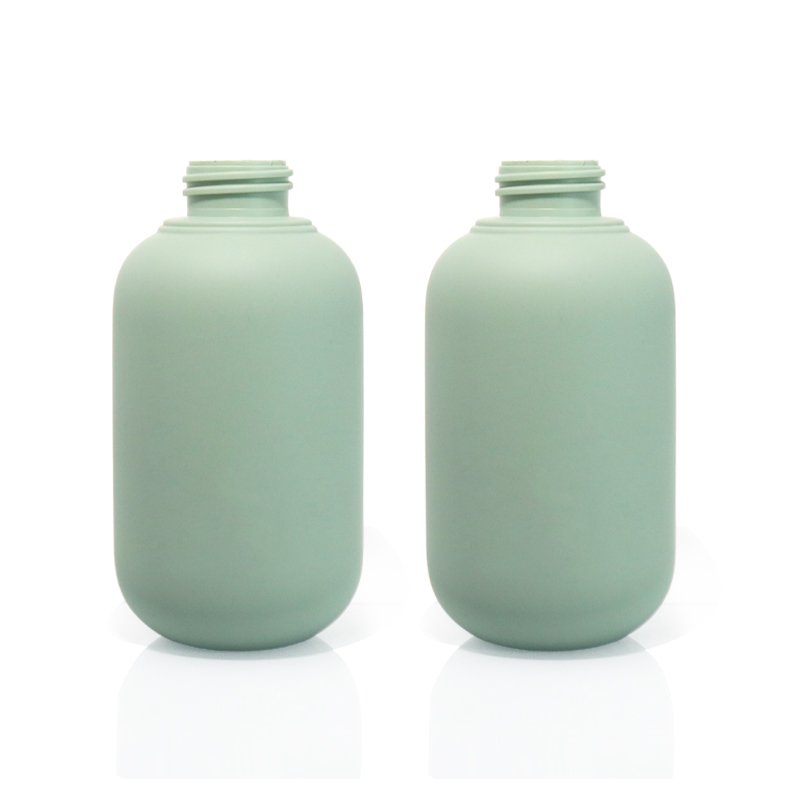
Blow-mold defects fall into a short list: flash at the parting line, gate and pinch-off marks, blow-pin rings, weld lines and sink marks. Each has one cause, a visual check, and an acceptance limit. Write the limits on the purchase order and the supplier inspects to them instead of to opinion.
Extrusion and injection blow molding make most cosmetic bottles, and both leave signatures. A fin of plastic at the seam is flash. A scar at the base is the gate or pinch-off. A ring near the neck is the blow pin. A faint line on the shoulder is a weld line. None of these means the bottle is unsafe, but each can fail filling, sealing or shelf appearance. This guide names the common defects, explains why they form, and gives the inspection and acceptance language to put on a purchase order.
Defects at a glance
- Flash: Thin fin at the mold parting line. Caused by low clamp tonnage, worn mold or contamination. Acceptable only below 0.2 mm and never on a sealing surface.
- Gate / pinch-off mark: Scar where the parison is cut and welded at the base. Caused by dull knife or wrong parison weight. Must be flush, not proud, and free of sharp edges.
- Blow-pin ring: Indent or ring left by the blow needle, usually at neck or base. Caused by wrong pin temp or timing. Must not breach wall or snag the closure.
- Weld line: Faint line where two flow fronts meet, common at handles. Caused by low melt or cold tool. Must not show as a weak or opaque streak.
- Sink mark: Local凹陷 on thick sections from shrinkage. Caused by uneven wall or no cooling. Must stay within the diameter and depth the PO allows.
- ShiJin: 1,000+ open molds in PET, HDPE and PETG; MOQ 5,000 units. We inspect to AQL and your written limits before cartoning.
Flash at the Parting Line
Flash is the most common blow-mold defect. It is a thin fin of plastic squeezed out where the two mold halves meet. You feel it as a sharp edge along the seam. On a clear bottle it reads as a bright line; on a coloured bottle it reads as a ridge.
The cause is almost always mechanical. Clamp tonnage is too low, the mold face is worn or dirty, or the parison is overweight. Any of these lets melt escape the cavity. Flash grows with cycle count, so a mold that was clean at 10,000 shots throws flash at 200,000.
The fix is maintenance, not apology. Raise clamp tonnage, clean or reface the mold, and rebalance parison weight. The acceptance limit is simple: flash below 0.2 mm, and none on any surface that seals or that the consumer touches. Our wall thickness guide explains why parison weight drives both flash and wall.
Gate and Pinch-Off Marks
Extrusion blow molding cuts the parison at the base with a knife, then welds the ends. The scar left behind is the gate or pinch-off mark. A good mark is flush and smooth. A bad mark is proud, ragged, or open enough to leak.
The defect comes from the knife and the parison. A dull knife tears instead of cutting. Wrong parison weight leaves too much or too little material to weld. A cold tool fails to fuse the ends, and the base weeps under pressure.
Set the base flat and the weld sound. Require a flush pinch-off with no sharp edge and no leak at the line pressure, and reject any bottle where the base shows a gap. Our closure and seal guide explains why a sound base matters as much as the cap.
Blow-Pin Rings
The blow pin pushes air into the parison to form the bottle. Where it touches, it leaves a mark: a ring at the neck on top-blow tools, or a dimple at the base on bottom-blow tools. A clean pin mark is cosmetic and harmless.
A bad pin mark is a defect. Wrong pin temperature or timing burns the wall, leaving a brown ring. Wrong pin position thins the wall at the stress point, so the bottle bursts on the filling line. Either one fails the bottle.
Inspect the pin mark for colour and depth. The ring must not breach the wall, must not snag the closure, and must stay within the diameter the PO allows. A burnt ring is always reject, because it signals a weak spot. Our blow molding process guide shows where the pin sits in the cycle.
Weld Lines and Sink Marks
A weld line forms where two melt fronts meet, most often on bottles with a handle or an offset neck. It shows as a faint line or a lighter streak. A mild weld line is cosmetic; a severe one is a weak seam that splits under pressure.
A sink mark is local凹陷 on a thick section, caused by shrinkage as the wall cools. It appears where the design pools material, often at the shoulder or the base. A small sink is acceptable; a deep one weakens the bottle and reads as a defect.
Both defects point to flow and cooling balance. Raise melt or tool temperature, slow the cycle, or thin the heavy section. Accept only marks within the depth and diameter your PO states, and never a weld line that shows as an opaque or weak streak. Our cavitation and tolerance guide covers how tooling sets the floor on these defects.
How to Inspect at the Line
Inspection starts with the eye. Hold the bottle 30 to 50 centimetres from a neutral light and turn it. Flash, gate marks, pin rings and weld lines all show against the light. A 100 percent visual at the mold is the cheapest check you will ever run.
Sampling backs up the eye. Use an AQL plan such as ANSI/ASQ Z1.4 or ISO 2859-1, typically level II at AQL 2.5 for major defects and 4.0 for minor. Measure flash and sink with a feeler or a caliper, and log the lot so a trend is visible before it becomes a shipment.
Confirm with function, not just looks. A leak test on the base and a torque check on the neck catch the defects that the eye misses. Our quality control guide lists the full incoming inspection set, and our leak test guide sets the pass criteria.
How to Write Acceptance Limits on a PO
A purchase order should name the defect, the limit, and the test. For a PET 250ml lotion bottle, the line might read: 'Flash max 0.2 mm, none on seam or seal; gate flush, no leak at 0.4 bar; blow-pin ring max 1.5 mm dia, no burn; weld line no opaque streak; sink max 0.3 mm depth; AQL 2.5 major per ISO 2859-1 level II'.
Numbers beat adjectives. 'Minimal flash' is opinion; 'flash max 0.2 mm' is measurable. The supplier inspects to the number, the receiver checks the number, and disputes disappear. Attach a signed limit sample so both sides hold the same standard.
At ShiJin we mold from our 1,000+ open mold library in PET, HDPE and PETG, with MOQ from 5,000 units and 15-25 day lead times, and we inspect to your written limits before cartoning. Send us the defect limits and the AQL, and we will hold the lot to them and ship the evidence with the goods.
Frequently Asked Questions
What causes flash on a blow-molded bottle?
Flash comes from low clamp tonnage, a worn or dirty mold face, or an overweight parison. The melt escapes the cavity at the parting line. The fix is maintenance: raise clamp, reface the mold, and rebalance parison weight.
How much flash is acceptable on a cosmetic bottle?
Flash below 0.2 mm is the common limit, and none is allowed on any surface that seals or that the consumer touches. Flash on a closure or neck seam is always reject because it breaks the seal.
What is a blow-pin ring and is it a defect?
A blow-pin ring is the mark left where the air pin formed the bottle, at the neck or base. A clean ring is cosmetic and harmless. A burnt or wall-breaching ring is a reject, because it signals a weak spot that can burst on the line.
How do I inspect blow-mold defects at the line?
Hold the bottle 30 to 50 cm from neutral light and turn it; flash, gate marks, pin rings and weld lines show against the light. Back the visual with an AQL plan such as ISO 2859-1 level II, and confirm with a leak and torque test.
What acceptance limits should I put on the PO?
Use numbers, not adjectives. State flash max 0.2 mm, gate flush with no leak at line pressure, blow-pin ring max diameter with no burn, weld line with no opaque streak, sink max depth, and the AQL. Attach a signed limit sample.
Need bottles held to written defect limits?
Send us your defect limits and the AQL you want. We mold PET, HDPE and PETG from our 1,000+ open mold library, with MOQ from 5,000 units and 15-25 day lead times, and we inspect to your numbers and ship the evidence with the goods.
Browse Mold Library Request a Quote