
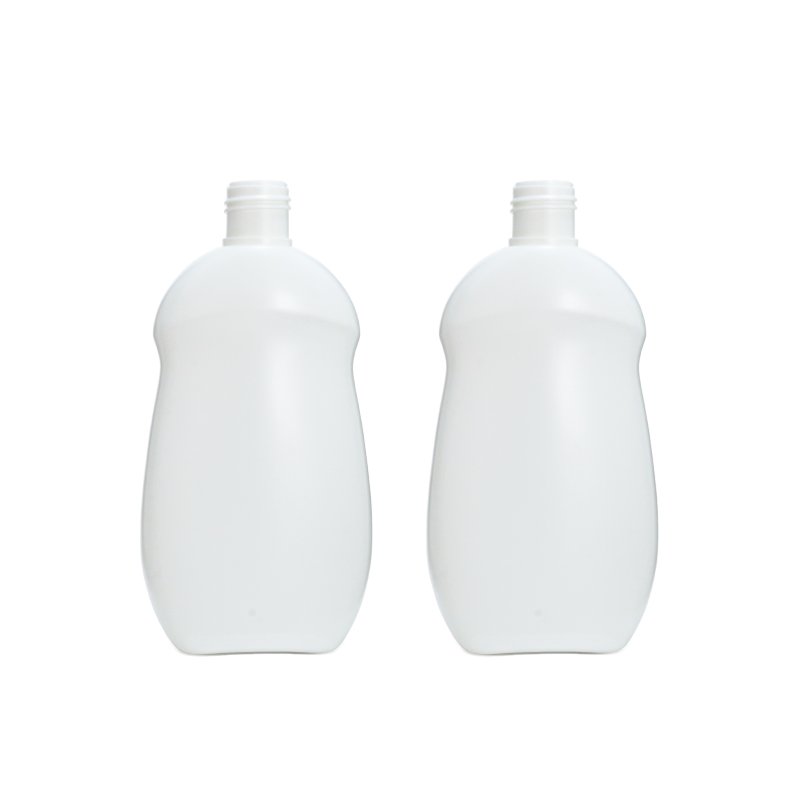
Cap torque is the force that seals a closure to the bottle. Set it too low and the bottle leaks; too high and the threads or liner fail. Verify it with a torque meter at goods-in, not by feel, and insist on a retention check so slow loosening cannot reach the shelf.
Packaging leaks are rarely a resin problem. In most cosmetic lines the failure starts at the closure: the cap was not torqued into its seal band, the liner was crushed, or the torque relaxed in the weeks after capping. Cap torque is small, measurable and entirely controllable, which makes it one of the highest-leverage checks a buyer can run. This guide covers the failure modes, the in-lb and Nm band you should specify, and the incoming inspection that catches a bad lot before it reaches your fill line.
Cap torque at a glance
- Under-torque: A cap below the seal threshold never compresses the liner. The bottle leaks in transit, the tamper band sits loose, and the closure can back off under vibration. Most field leaks trace to under-torque, not a bad bottle.
- Over-torque: Too much torque strips or galls the threads, cracks the cap, or crushes the liner so it loses memory. The result is a bottle that is hard to open, or that leaks past a damaged liner.
- Cross-threading: A cap started crooked never seats the liner squarely. No torque setting fixes it; the seal simply does not form. This is a capping-machine and operator issue, not a spec issue.
- Torque retention: A cap can read in-spec on arrival and loosen over weeks as the liner and resin relax (stress relaxation). Specify a torque-retention or seal-integrity check, not just a single reading.
- ShiJin: 1,000+ open molds in PET, HDPE and PETG; MOQ 5,000 units; 15-25 day lead time. We set capping torque per closure, supply per-lot torque test reports, and provide food- and cosmetic-contact statements to support your incoming QC.
Why Cap Torque Fails
Cap torque is the rotational force that tightens a closure onto the bottle neck. Too little and the seal never forms; too much and the threads or liner fail. Each failure maps to a measurable cause you can catch at incoming inspection.
Under-torque is the most common field failure: a cap below the seal threshold does not compress the liner, so the bottle weeps in transit and vibration can back the cap off. Over-torque is the opposite, galling the threads or crushing the liner so it leaks past the damage. Cross-threading is a third case. A cap started crooked never seats the liner squarely, so no torque value can save the seal; that is a capping-setup issue, not a spec gap.
The quiet failure is torque retention. A cap can read perfectly on arrival and loosen over two or three weeks as the liner and resin relax. If you only check torque at goods-in, you miss it; the fix is a retention or seal-integrity check. Our cap torque specification guide shows how to set the range the QC check measures against.
The Acceptance Band (in-lb and Nm)
Torque is measured in inch-pounds (in-lb) in the US and Newton-metres (Nm) in metric markets; 8.85 in-lb equals 1 Nm. A typical cosmetic screw closure runs about 10 to 30 in-lb (1.1 to 3.4 Nm), but the right number depends on the neck finish, the liner and the bottle diameter. Specify a band, not a single figure, because every capping line drifts.
The number that matters at QC is removal torque, sometimes called bridge torque: the force needed to unscrew the capped bottle. Application torque is what the machine sets; removal torque is what you can measure on a sealed unit, so it is the practical incoming check. Measure it 24 hours after capping, once the liner has settled, then compare against the band.
Torque testing follows recognized methods such as ASTM D2063 for continuous-rotation closures, used here as a reference frame rather than a fixed pass mark. Set your band with the closure supplier, because the liner material drives the acceptable window more than the resin. Our closure liner guide covers which liner to pair with which product.
How to Measure Torque on Incoming Goods
Use a cap torque tester or a digital torque meter, not a hand feel. A trained operator cannot hold a consistent torque, which is exactly why leaks slip through when inspection is manual. The meter records both the peak application torque and the removal torque as the cap breaks free.
Condition the bottles first. A bottle measured straight from a cold truck reads differently from one at room temperature, because the resin and liner have not relaxed. Let samples sit at 20 to 25 degrees C for a few hours before testing, then measure removal torque on a sample from each lot.
Test about 10 units per lot as a baseline and tighten the count as the supplier's consistency proves out. Flag the lot when the average falls outside the band or the spread is wide, since a wide spread means the line is drifting even if the average looks fine. Our quality control guide lays out an incoming-inspection routine you can copy.
Common Root Causes in the Supply Chain
When a torque check fails, the cause is rarely the bottle resin. An uncalibrated capping machine drifts quietly, so today's lot is fine and next week's leaks. A mis-matched closure, for example a 24/410 cap forced onto a 24/415 neck, cross-threads even at the right torque setting.
The liner is the next frequent culprit. A liner that is not seated, or the wrong liner for the formula, can pass a torque check and still fail in the field because chemical attack breaks the seal, not force. Resin shrinkage adds a subtler effect: as a batch of PET or HDPE cools, the neck dimension shifts slightly and moves the effective torque window.
Manual capping is the wildcard. Hand-torqued caps vary operator to operator, which is why low-volume or pre-production runs leak more than machine-capped production. Define the closure and torque together with the supplier, then verify on the line. Our neck finish guide explains how the 24/410 and 24/415 codes decide closure fit.
Writing the Torque Requirement into the PO
The purchase order is where torque control starts. State the neck finish, the exact closure type, the target application torque and the acceptable band, and require a per-lot torque test report. Without those lines, the factory optimises for speed and you inherit the drift.
Ask for two things beyond the basic reading: a torque-retention result after 24 to 48 hours, and a seal-integrity or leak test on the same lot. The retention number protects you from the slow-loosening failure that a single goods-in check misses. Keep the closure and liner fixed in the spec, because changing either silently moves the torque window.
Pair the torque clause with a leak test so the two cross-check each other: a bottle can be in torque band and still leak from a bad liner, and a bottle can be out of band and still seal. The combination gives a defensible accept or reject call. Our leak test methods guide lists the standard checks to reference.
When to Reject a Lot
Reject the lot when torque is out of band and a leak test fails on the same units, because the two together confirm a real seal problem rather than a measurement blip. A single out-of-band reading is worth a re-test; a consistent average outside the band with a wide spread is a reject.
Escalate by asking the supplier for the capping-machine calibration record and the per-lot torque report you required in the PO. If those are missing, the lot is unrepeatable and should not ship to your fill line. For high-value runs, ask for an 8 to 24 hour torque-retention check before acceptance.
At ShiJin we mould PET, HDPE and PETG from our 1,000+ open mold library with MOQ 5,000 units and 15-25 day lead times. We set capping torque per closure, supply per-lot torque test reports and food- and cosmetic-contact statements, and we run leak and torque-retention checks so the bottles arrive ready for your incoming QC.
Frequently Asked Questions
What is the difference between application torque and removal torque?
Application torque is what the capping machine applies to seat the closure; removal (or bridge) torque is what it takes to unscrew a sealed bottle. Measure removal torque at goods-in because it reflects the real seal, not the line setting.
What torque range is typical for a cosmetic screw cap?
A typical cosmetic screw closure runs about 10 to 30 in-lb (1.1 to 3.4 Nm), but the correct band depends on the neck finish, liner and bottle diameter. Set it with the closure supplier, because the liner drives the window more than the resin.
How many bottles should I torque-test per incoming lot?
Test about 10 units per lot as a baseline, then tighten the count as the supplier's consistency proves out. Flag the lot when the average falls outside the band or the spread is wide, since a wide spread means the capping line is drifting.
Why does a bottle leak even when the cap feels tight?
Cross-threading means the liner never seated squarely; the wrong or unseated liner can fail from chemical attack; and slow torque loss from liner and resin relaxation can loosen a cap weeks after it tested fine. A torque meter and a leak test catch what feel cannot.
What should I put in the PO about cap torque?
State the neck finish, closure type, target torque and band, and require a per-lot torque test report plus a 24 to 48 hour retention check and a leak test on the same lot. Keeping the closure and liner fixed in the spec prevents silent shifts in the torque window.
Matching bottle options for this topic
Real molds from our library in a comparable material and size class — each product page carries the full spec sheet, neck size, MOQ and lead time.
- PET Cosmetic Bottle 50ml — SKU SJT0229-50
- PET Cosmetic Bottle 280ml — SKU SJT0262-280
- PET Cosmetic Bottle 350ml — SKU SJT0191-350
- PET Cosmetic Bottle 569ml — SKU SJT0281-569
Need bottles that seal on the first try?
Tell us the product, the neck finish and your target torque band. We mould PET, HDPE and PETG from our 1,000+ open mold library with MOQ 5,000 units and 15-25 day lead times, and we supply per-lot torque test reports, torque-retention checks and food- and cosmetic-contact statements so your incoming QC starts from evidence, not guesswork.
Browse Mold Library Request a Quote